
Research&Trends
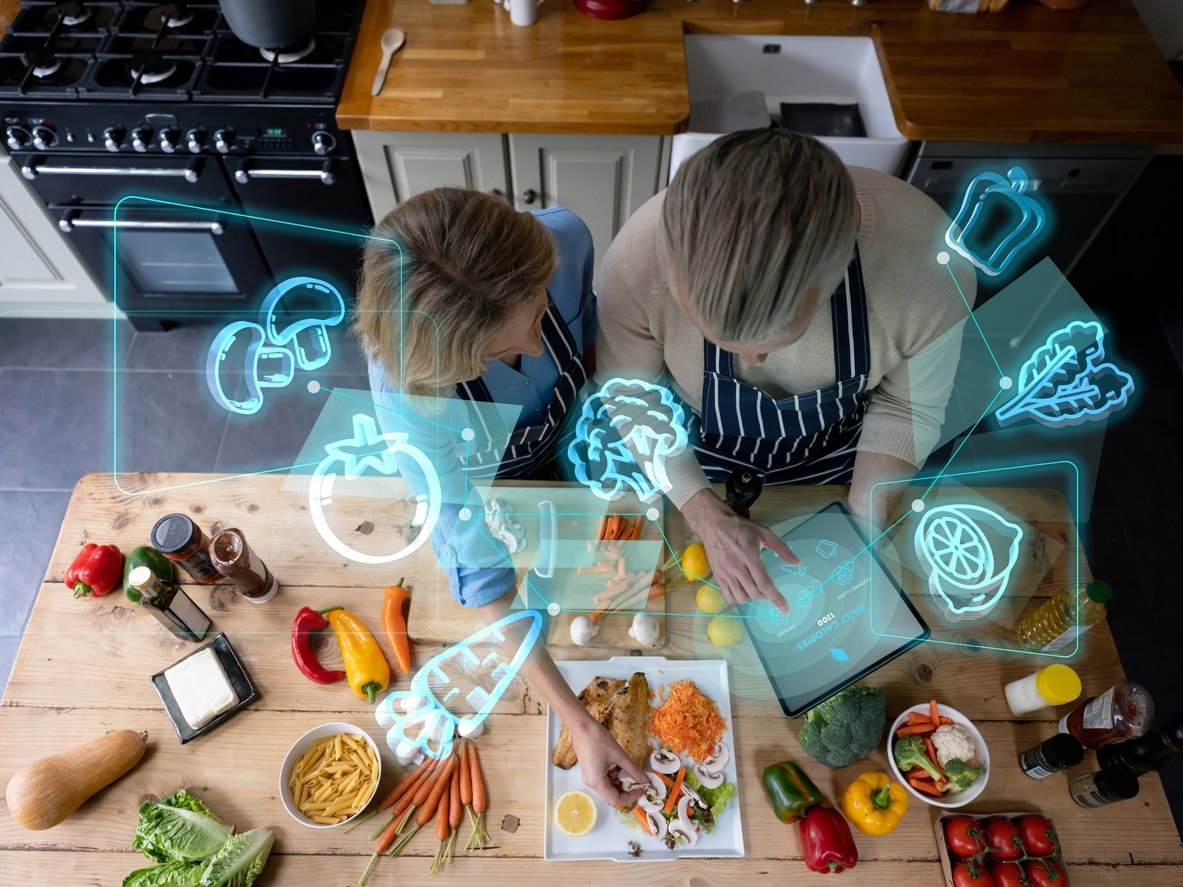
New Experience in the Kitchen with Artificial Intelligence
Google has launched its new Food Mood tool, which combines the cuisine of two different countries with a single recipe using artificial intelligence. This artificial intelligence-supported tool, which inspires creativity in the kitchen without the need for a real chef, is very simple to use. To create a fun fusion recipe, after choosing one of the starter, main course, soup or dessert options, we determine how many people we want to serve and which two countries’ cuisines we will synthesize. Food Mood offers vegan, vegetarian and gluten-free diet options to personalize the recipe, and allows us to add up to 3 ingredients to the recipe if we wish. There’s even an AI-generated photo of what the unique recipe looks like.
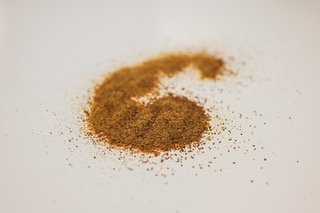
Innovative Powder Solution to Transform the Taste in Plant-Based Foods
Finnish Startup Three Mushketeers; It turns the byproducts of mushroom production into a delicious powder that masks off-flavors in plant-based foods. Despite the growing popularity of sustainable nutrition and veganism, 60% of consumers still don’t like the taste of these products, according to the team at Three Mushketeers.
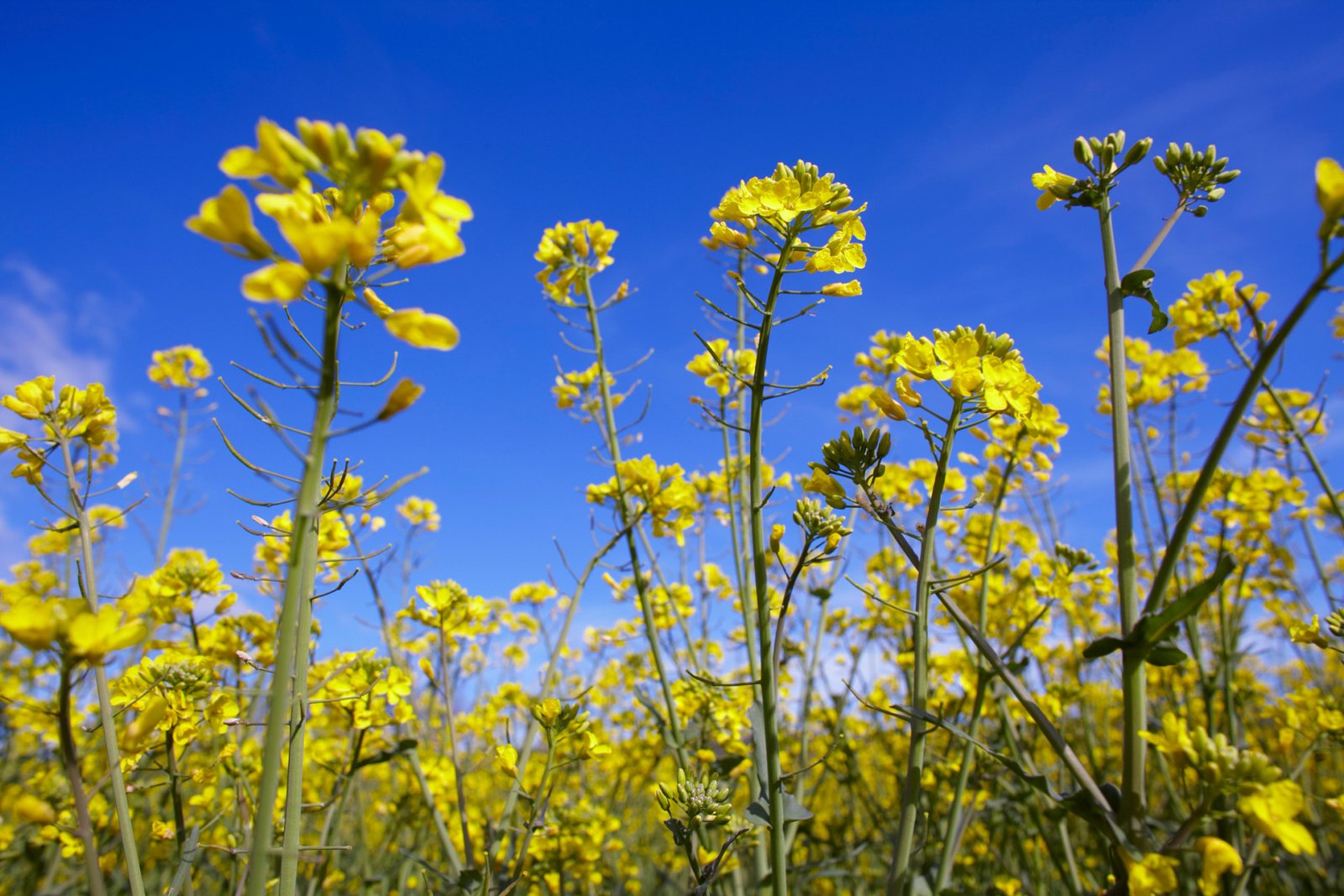
An Important Step Against Cabbage Stem Flea
Bayer AG has acquired the rights to a new biological insecticide developed by AlphaBio Control. This insecticide was developed to struggle the cabbage stem flea, a pest that causes serious damage to oilseed rape and grain crops. It is the first biological insecticide of its kind for these crops and expands Bayer’s sustainable product range. The product is expected to be launched in 2028, pending further development and registration.

Innovation from the World’s Largest Drone Manufacturer
The world’s largest drone manufacturer has introduced two products for precision nutrient application on both large and small farms. Agras T50 and Agras T25. The T50 is specifically designed for larger-scale growing operations, while the T25 is a model suitable for smaller farms. According to the statement, these developed drones have reinforced stability and increased flow features and enable various applications from fields to orchards.

Smart, Residential Refrigerating Cabinets
Developed by a Toronto-based team, Micromart uses AI-powered image recognition technology to offer freestanding cooler cabinets that can fit into any residential unit or office lobby. This innovative solution allows customers to purchase and pay for products with their smartphones, completing the transaction in just a few seconds.
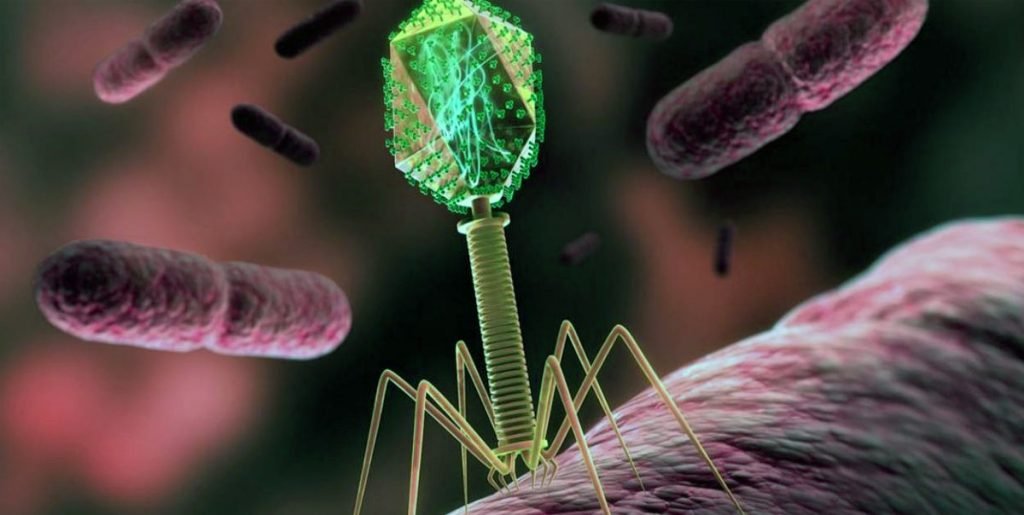
Bacteria Attracted to Human Blood: The Phenomenon of ‘Bacterial Vampirism’ Is Solved!
A new study conducted by Washington State University researchers and published in the journal eLife has discovered a surprising behavior in the form of an attraction to human blood, called ‘bacterial vampireism’, in some of the world’s deadliest bacteria. Chemicals in blood of particular interest to these bacteria, some of which are foodborne, include L-serine, an amino acid abundant in human blood and commonly found in protein drinks.

New Generation Plant-Based Alternative with High Protein Content
Wamame Foods Inc., a company known for its plant-based product line Waygu, has launched a new protein alternative, Outlier Protein. This product is made using only seven ingredients and has a 64% higher protein content compared to cooked ground beef.
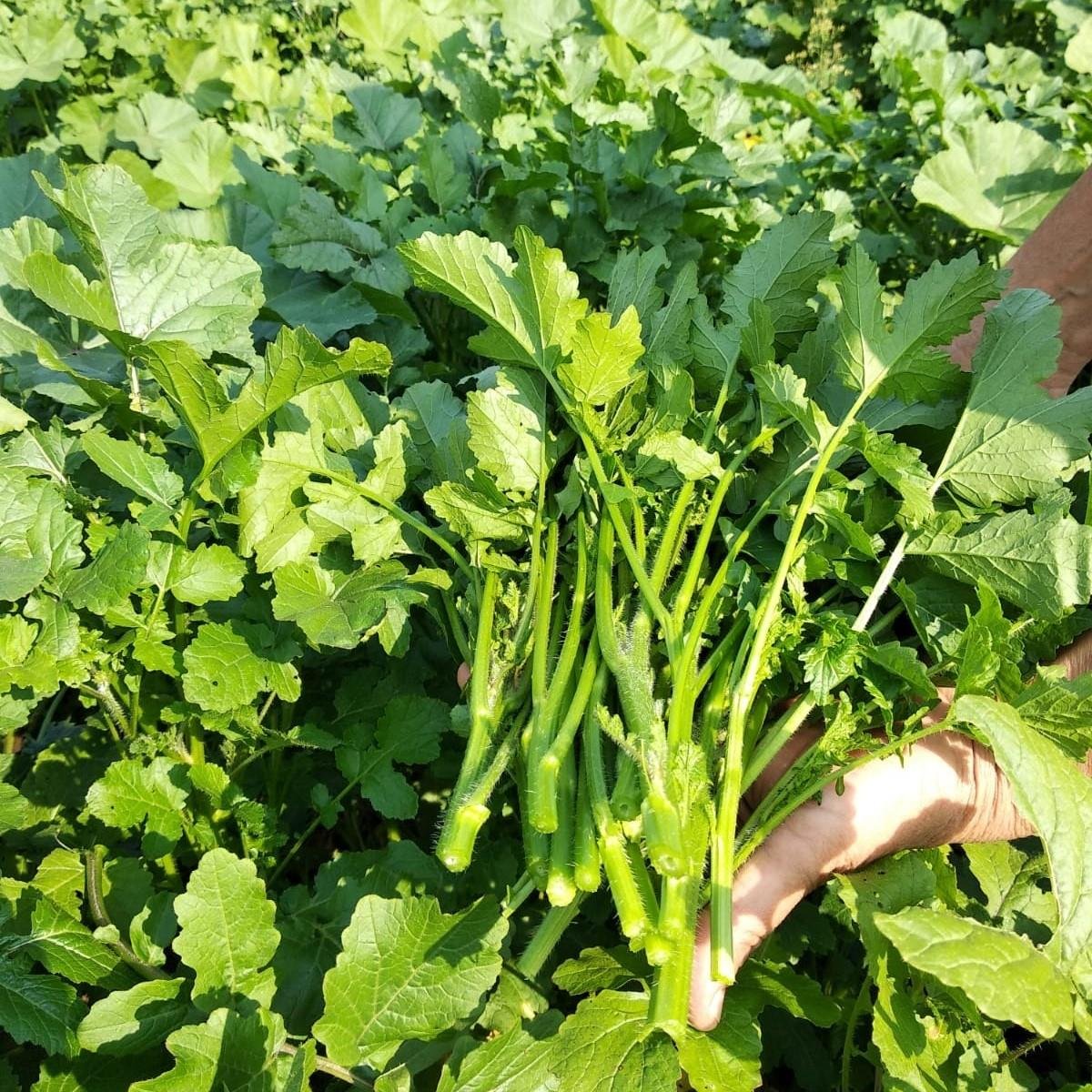
Can microorganisms in the soil affect the taste of the plant?
A study at the University of Colorado shows that microbes in the soil can affect the spicy taste of mustard seeds. In a greenhouse study by inoculating mustard plants with microbes from different soils, researchers found that microorganisms in the soil can affect the taste of the plant.
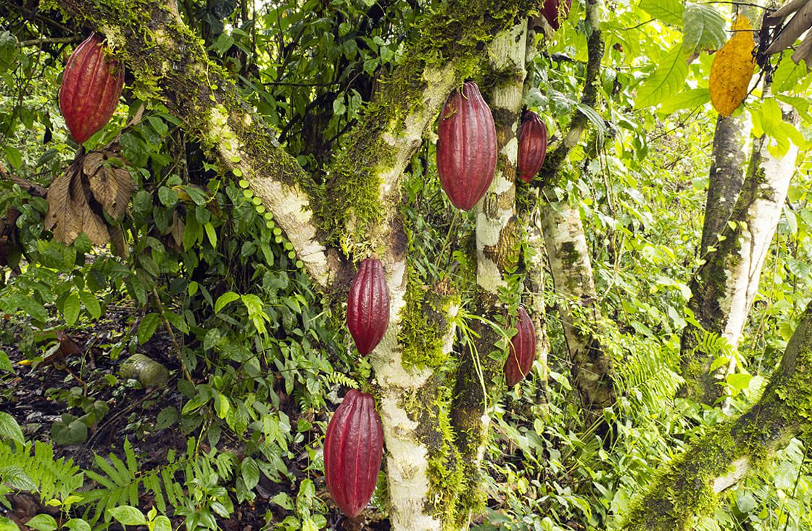
Virus Threatens Major Chocolate Production
Almost half of the world’s chocolate is obtained from cocoa trees in the West African countries of Ivory Coast and Ghana. A harmful virus attacked cocoa trees in Ghana, causing harvest losses of between 15% and 50%. A study published in the journal Plos One stated that mathematical modeling techniques were developed to determine how far grafted trees should be planted from ungrafted trees to prevent the spread of the virus and keep costs manageable for farmers.


