
Research&Trends

New Method Developed for Producing Low-Calorie Sugar Substitutes
Researchers at the University of California, Davis, in collaboration with the Mars Advanced Research Institute, have reported the development of a significant method for producing low-calorie sugar substitutes like allulose. This method is expected to lead to reduced production costs.
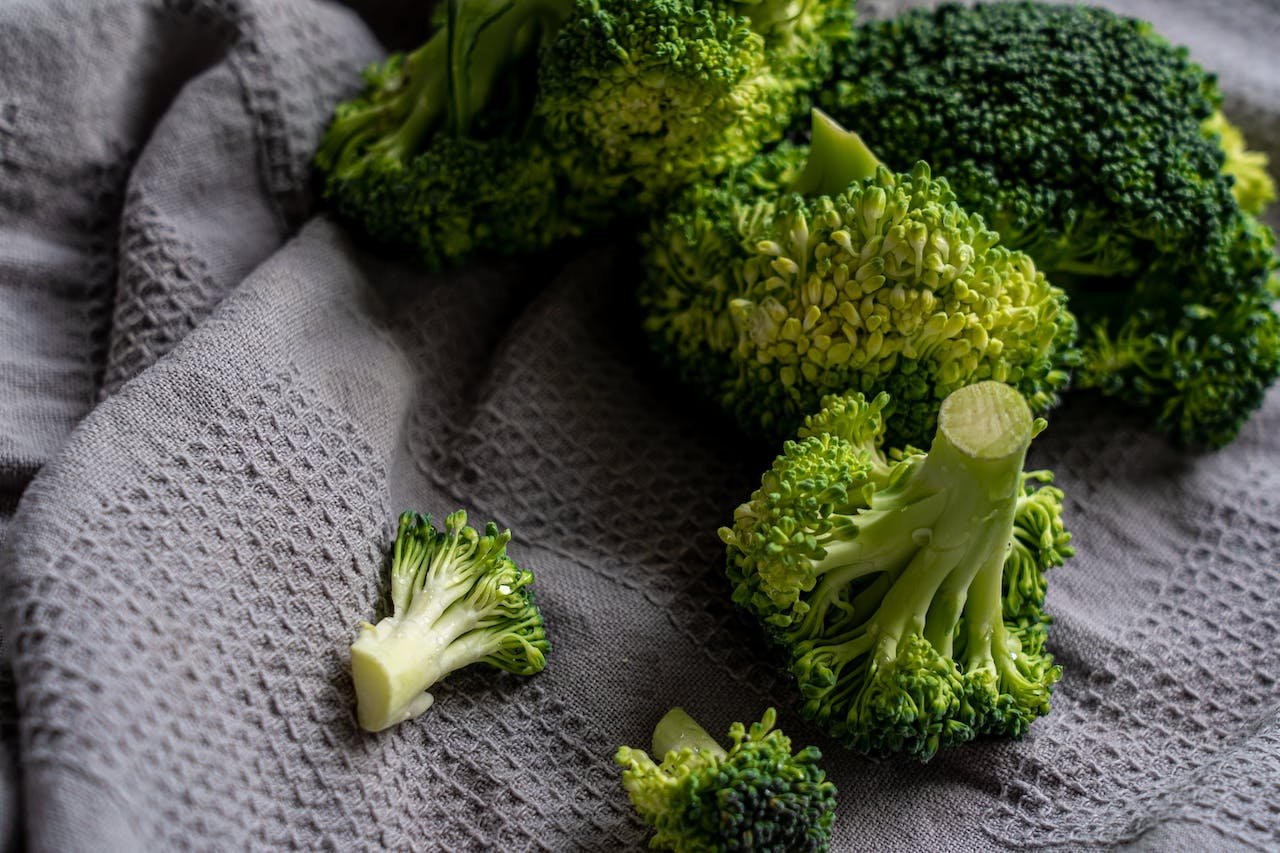
Broccoli Sprouts Contain Seven Times More Polysulfides than Mature Broccoli: Shedding Light on the Health Benefits
A research team led by Assistant Professor Shingo Kasamatsu and Professor Hideshi Ihara at Elce University’s Institute of Science has examined the abundance of polysulfide molecules in brassicas based on previous studies. This study sheds light on the health benefits of broccoli sprouts, especially their polysulfide content, revealing that broccoli sprouts contain seven times more polysulfides than mature broccoli.

Muting the Crunch: Doritos Uses AI to Silence Chip Noises in Online Gaming
PepsiCo’s Doritos brand has successfully muffled the crunch of its chips with software that utilizes artificial intelligence and machine learning. The software, known as Doritos Silent, was developed in collaboration with Smooth Technology, a leader in electronic and interactive design. This technology, the result of six months of work with software developer Dylan Fashbaugh, analyzes and mutes more than 5,000 crunching sounds in real-time. The software, designed to prevent the crunching noise from disturbing other players, especially during online gaming, has currently been tested only on computers and can be used to isolate similar snacking sounds.

Digitizing cultivation: Tupu
Berlin-based agricultural technology startup Tupu aims to transform food production with a modular farming system that combines biotechnology, robotics, and technology. This innovative farming system, expected to be patented, allows the company to increase organic gourmet mushroom production in urban areas and provide consumers with sustainable, farm-fresh products.

IWSR Non-Alcoholic and Low-Alcoholic Strategic Research
In the December 2022 edition of the IWSR Non-Alcoholic and Low-Alcoholic Strategic Research, among the 10 focus markets examined, the market value of non-alcoholic/low-alcoholic products surpassed $11 billion in 2022, up from $8 billion in 2018. New IWSR data indicates that driven by the growth in non-alcoholic products, zero/low alcohol consumption is projected to increase by one-third by 2026.

Applied and Environmental Microbiology
A study published in the journal “Applied and Environmental Microbiology” reports that blue light effectively kills dried cells and biofilms of Listeria monocytogenes, a commonly found pathogen in food processing facilities. While pathogens’ biofilms exhibit strong resistance to eradication, the results suggest that blue light may be effective for surface decontamination. It is noted that blue light is less hazardous for the user compared to ultraviolet light.

Meeting Future Water Needs: The Ancient Maya Civilization
In a recent article, it was noted that reservoirs belonging to the Ancient Maya Civilization, which used water plants to filter and purify water, could serve as archetypes for natural and sustainable water systems in meeting future water needs.
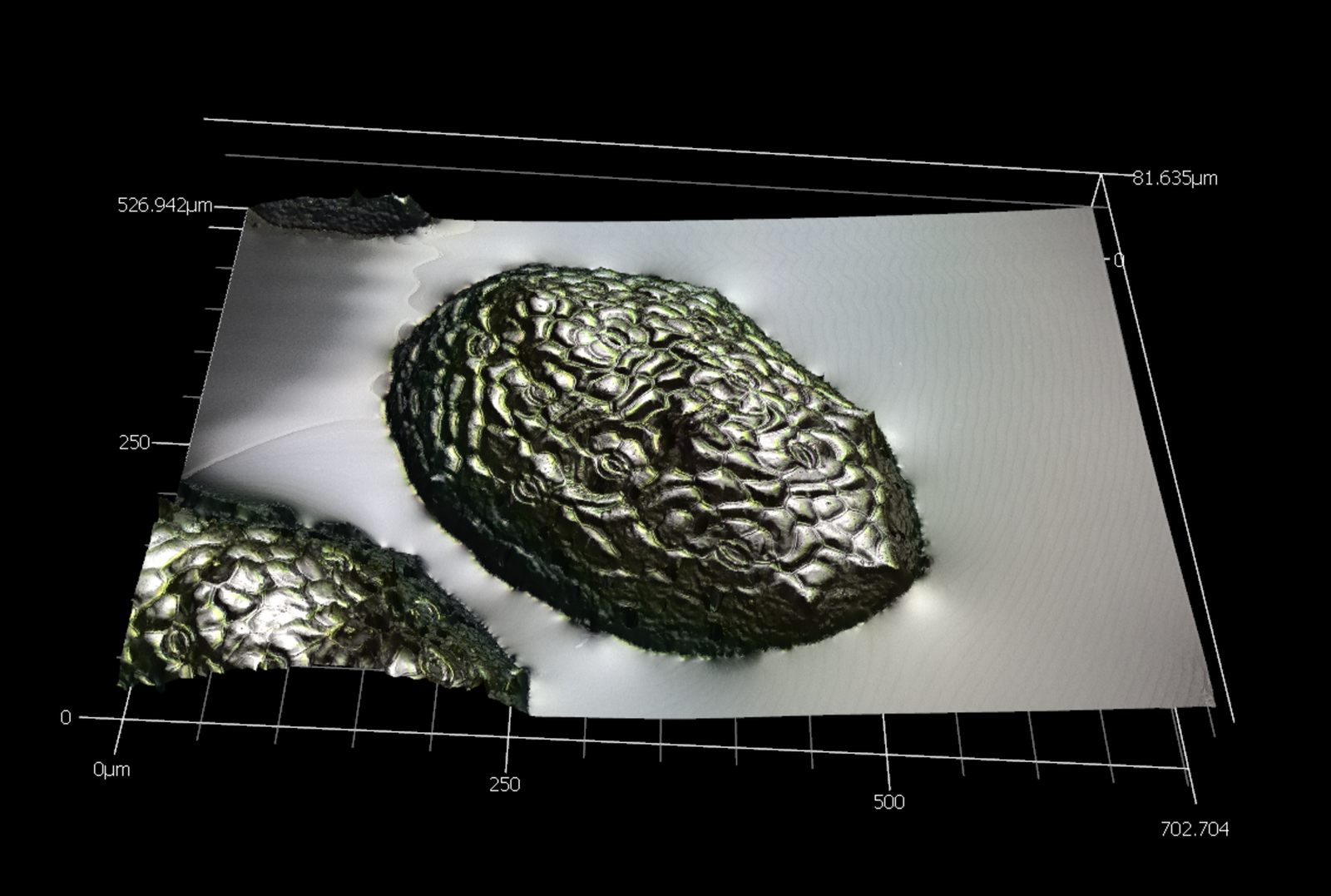
Hypergravity odyssey of Earth’s tiniest plant
Researchers from Mahidol University have discovered that the watermeal plant, the smallest known flowering plant native to South and North America, can withstand up to 20 times Earth’s gravity. This flowering plant, rich in protein, is predicted to serve as a nutritious food source and a highly efficient oxygen producer for astronauts in the future
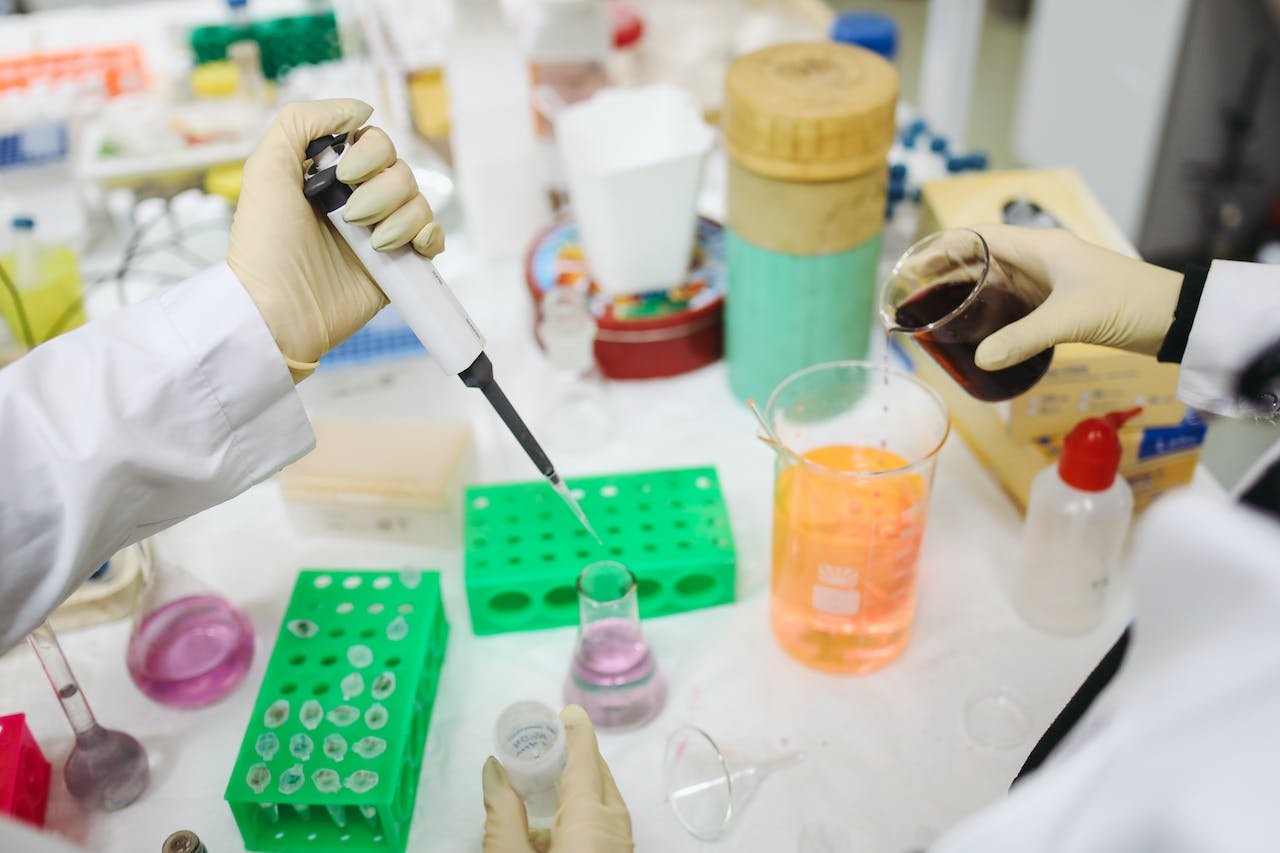
Biosensor platform
New Zealand-based company Scentian Bio, which possesses a biosensor platform that utilizes the sensitivity of insects to smell and taste, is planning to leverage artificial intelligence to advance this technology for a range of applications, including food quality control, food pathogen detection, sustainable agriculture, and environmental monitoring.

Vegan diets for cats and dogs
A study conducted at Griffith University has examined the potential environmental benefits of transitioning pets to vegan diets. Researchers assert that vegan diets for cats and dogs are healthy and safe. Estimates suggest that if all cats and dogs in the United States were to switch to vegan diets, it could prevent the slaughter of approximately two billion terrestrial livestock animals each year, along with various environmental benefits. This number can potentially reach seven billion on a global scale.


