Research&Trends
Nestlé Launches Prebiotic Fiber Low-Lactose N3 Milk in China
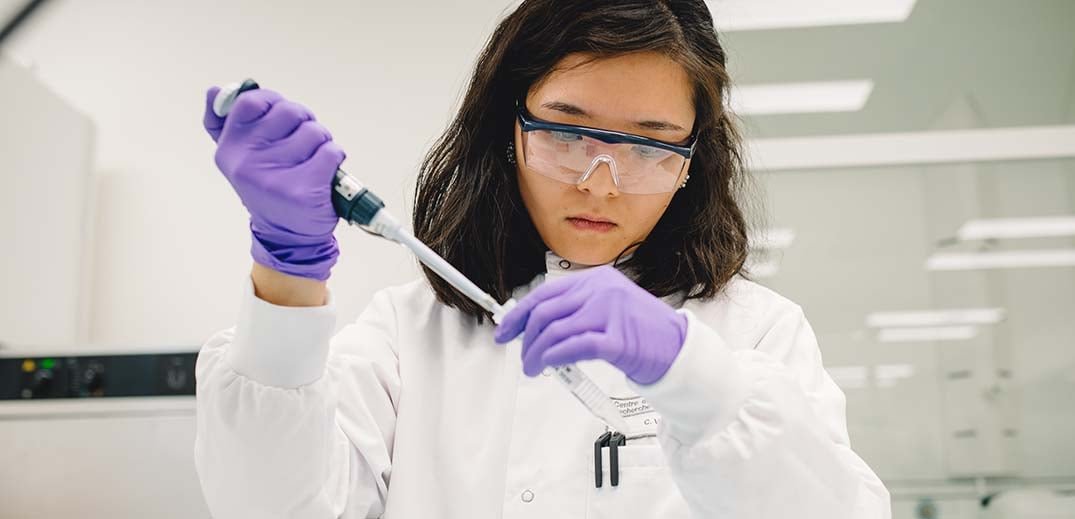
Nestlé has introduced its latest product, N3 milk, derived from cow’s milk containing essential nutrients such as proteins, vitamins, minerals, and prebiotic fibers. The company utilized special technology to reduce the lactose content in the product.
Dr. Heike Steiling, Vice President of Research and Development at Nestlé, announced the innovation during the Future of Nutrition Summit held in Frankfurt, Germany. ‘We have developed a new type of milk where a significant portion of lactose is now transferred into prebiotic fibers,’ stated Dr. Steiling.
Vertical Farming and Robotic Integration: Prolonging Lettuce Shelf Life
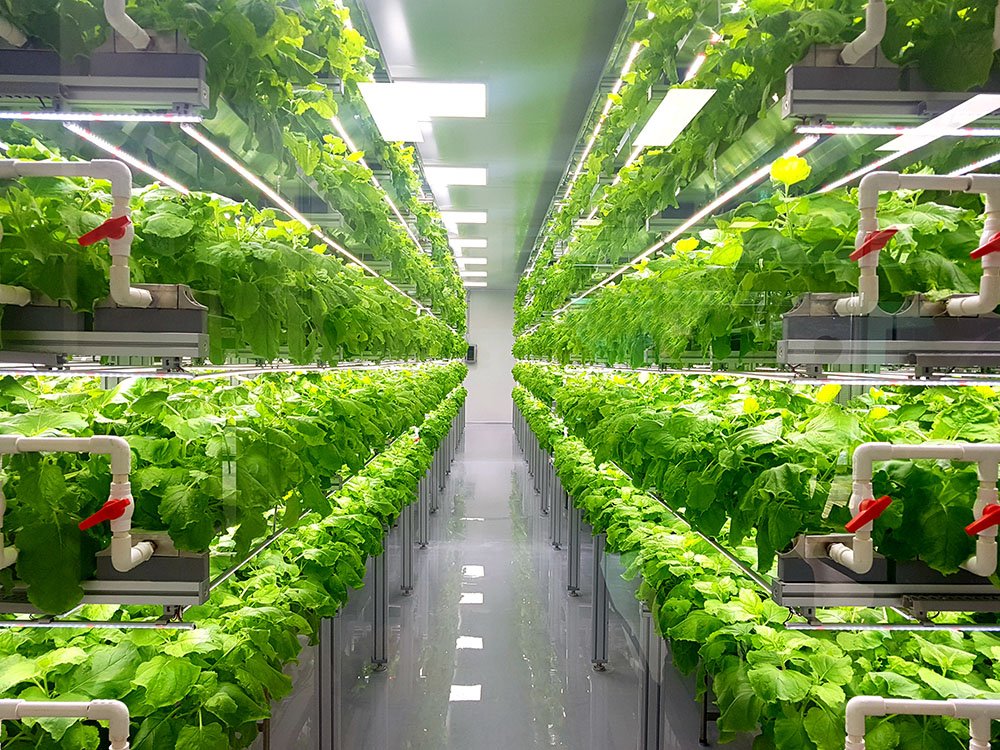
Recently, the Japanese company Spread introduced the ‘Techno Fresh’ processing method designed to extend the shelf life of lettuce. This technology combines vertically cultivated lettuce with a processing design. The next-generation salad processing facility employs AI-based robotic technology that automates 85% of the processes. In Japan, the typical shelf life of freshly cut lettuce products ranges from three to four days, but this method extends it to six days. The Techno Fresh design is significant in preventing food waste and reducing water usage and labor during processing.

Photolytic System Eliminating Methane: A Dispersing Solution
In a study published in the Environmental Research Letters and presented at the United Nations Climate Change Conference (COP28), a photolytic system called Methane Elimination Photolytic System (MEPS) has been developed to eliminate low-concentration methane in the air using light and chlorine. This system boasts a 58% removal efficiency and a flow capacity of 30 L/min, capable of mitigating greenhouse gases from animal shelters, biogas production, and wastewater treatment facilities.
Resembling a metallic box, this reaction chamber facilitates a series of chain reactions utilizing light and chlorine, enabling methane to be broken down approximately 100 million times faster than its natural degradation in the environment.
Sustainable Design: Clay-Based Electricity-Free Cooler
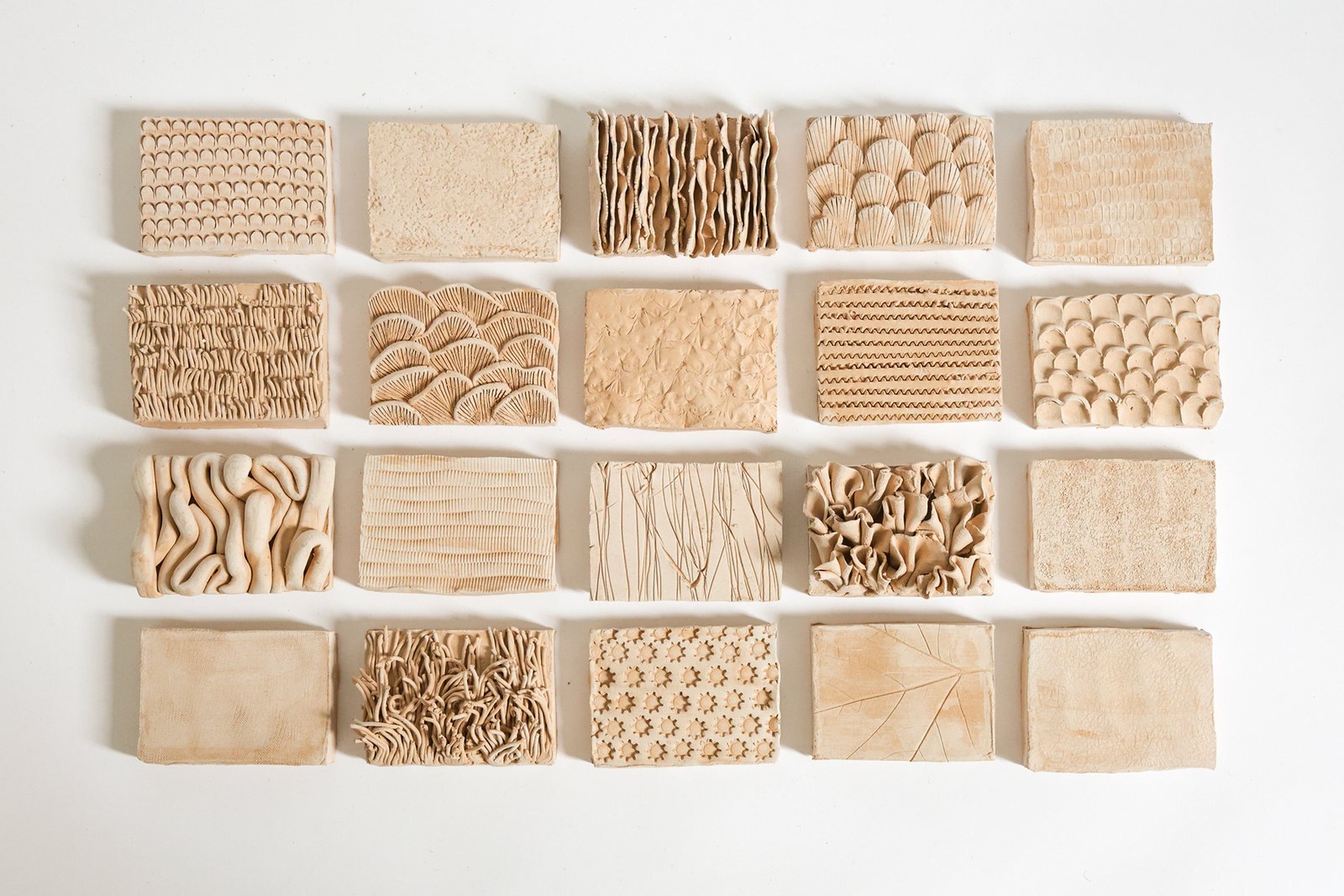
Designed by Lea Lorenz in Germany, the electricity-free cooler named ‘Tony’ offers an alternative to refrigerators we commonly use. Inspired by centuries-old traditions of using clay pots for storing fruits and vegetables, Tony is a portable refrigerator and food container. The system operates based on the principle of evaporative cooling, comprising clay-made containers, a water-filled reservoir, and lid sections.
The porous raku clay absorbs water from the reservoir, leading to evaporation on the walls of the food container. This process effectively cools the interior of the system to a temperature range between 13°C to 17°C. This specific range provides ideal storage conditions for fruits, vegetables, and baked goods, which are sensitive to extreme cold and might lose their quality in traditional refrigerators.
This design offers a sustainable solution by preventing food waste and ensuring energy efficiency.

The Position of Orange Peel Powder in the Industry
A research conducted at Tikrit University evaluated the chemical properties of orange peel powder and wheat flour. Biscuits made with orange powder exhibited high levels of antioxidants, moisture, fiber, and ash content. Additionally, it was observed that orange peel powder showed a significant advantage over wheat flour in terms of total phenol content.

Is It Possible To Obtain Egg Protein Without Using Chickens?
Egg protein has been generated using a precise fermentation technique. The Every Company leverages precision fermentation technology by utilizing yeast and sugar. By incorporating egg proteins into the yeast, it is possible to benefit from these proteins without the need for chickens. Additionally, its positive environmental impact is evident, as it requires less land, water, and energy.
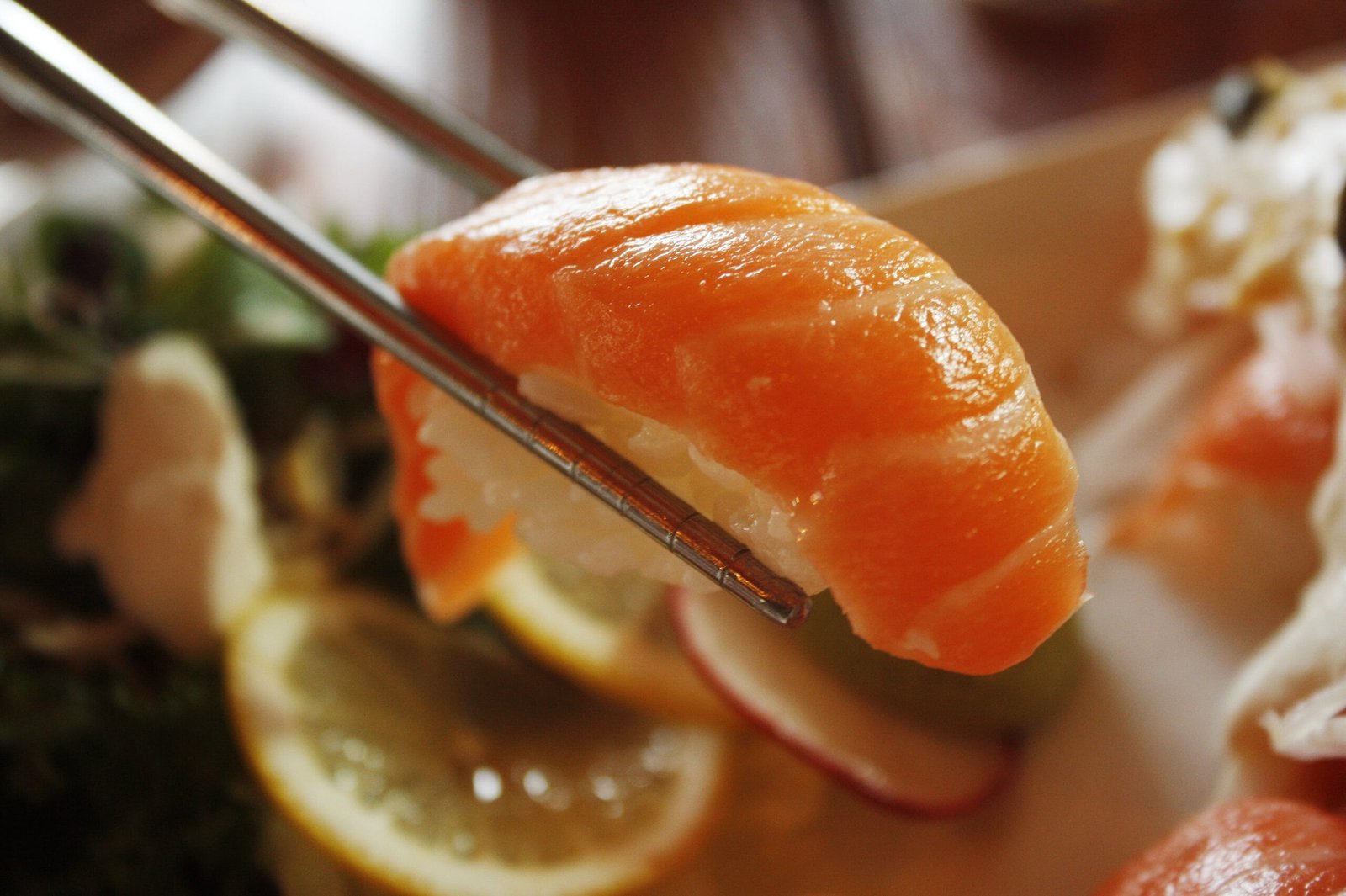
Commercial Fishing in Europe: Call for Transparency in Plant-Based Seafood Labels
As consumer interest in plant-based seafood increases and more innovative alternatives hit the market shelves, representatives of Europe’s commercial fishing industry are calling for “transparency” in labeling plant-based seafood products.
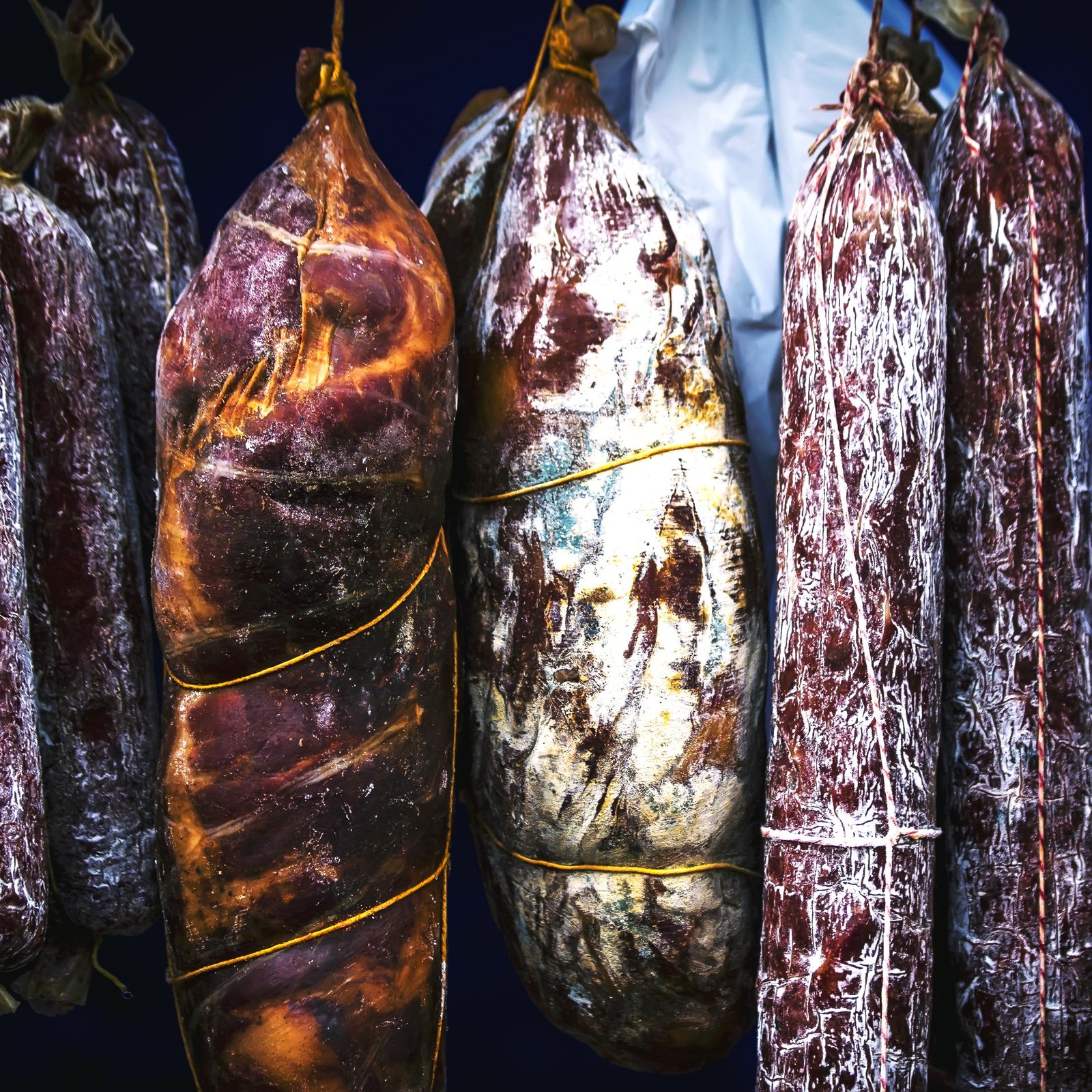
Alternatives to Nitrite and Nitrate in Meat Products
Lallemand is working on reducing or eliminating the use of nitrite and nitrate in meats through its departments focusing on bio-ingredients and specialty cultures. They are employing specific strains and contributions derived from yeast, suggesting that, along with their special strains and contributions from yeast, the shelf life of the product could be equivalent to that when using nitrite and nitrate.
The Pattern of Our Tongue is Unique to Each of Us
An artificial intelligence study conducted in collaboration between the University of Edinburgh and the University of Leeds revealed that the surface of our tongue is unique to each individual. Despite research into the taste functions of the papillae, the buds aiding in tasting, speaking, and swallowing on the surface of our tongue, very little is known about the variations in shape, size, and pattern of papillae among individuals. The study indicated that a model developed using machine learning techniques on data obtained from 3D microscopic scans of papillae could be used to identify an individual. The findings are significant for discovering individual food preferences, developing healthier food alternatives, and for the early diagnosis of oral cancers in the future, as well as identifying micron-scale features on other biological surfaces.