Research&Trends

  • Cities’ Urban Farms and Gardens Yield Fruits and Vegetables with Six Times Higher Carbon Footprint, University of Michigan-Led Study Finds

    Categories: Researchs&TrendsPublished On: February 11th, 2024

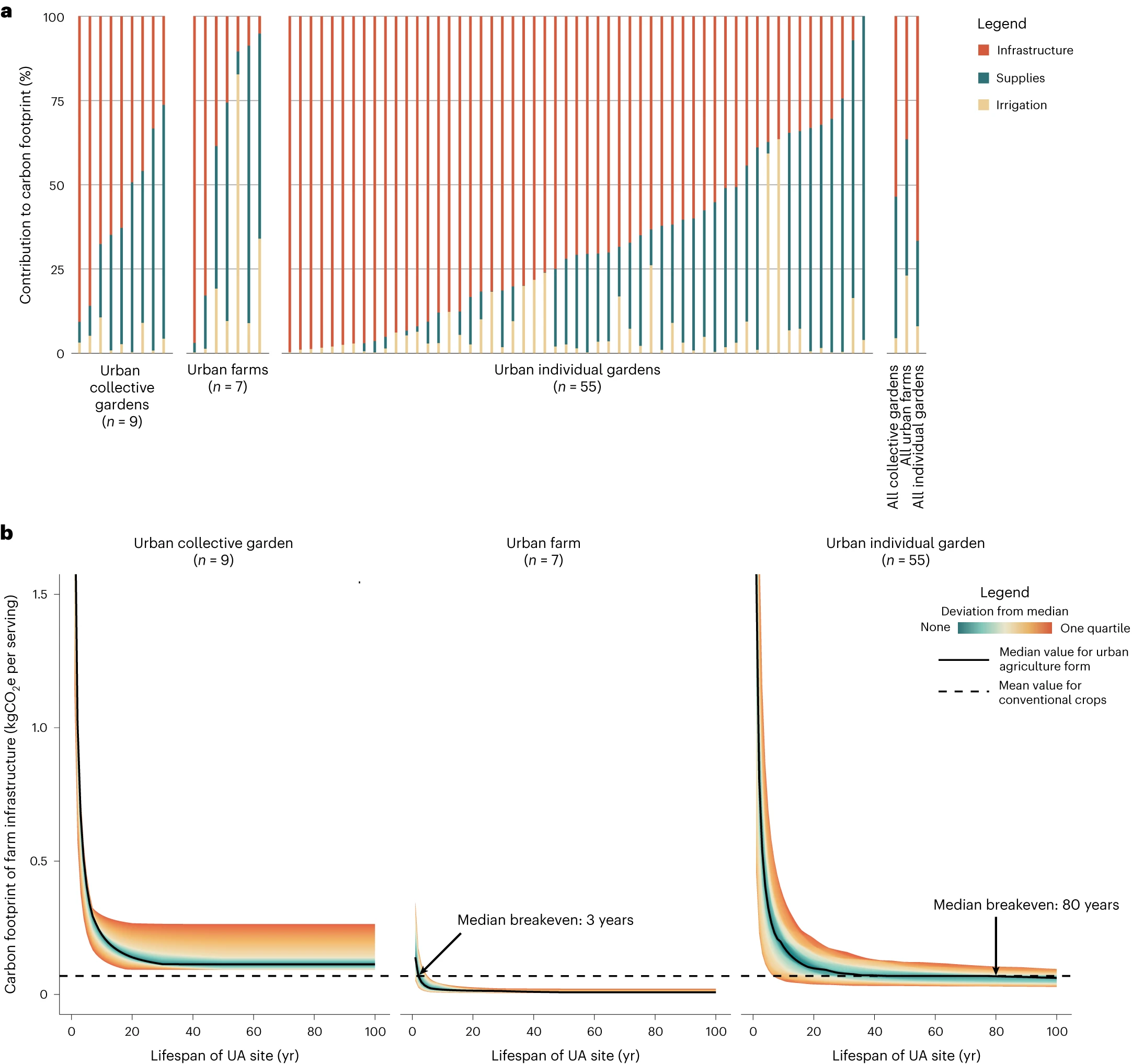
    A new international research led by the University of Michigan reveals that fruits and vegetables grown in urban farms and gardens have an average carbon footprint that is six times higher than conventionally grown produce.

  • Michigan Üniversitesi Çalışması: Kentsel Çiftliklerde Yetişen Ürünlerin Karbon Ayak İzi Geleneksel Yetiştirme Yöntemlerinden Altı Kat Daha Fazla

    Categories: Researchs&TrendsPublished On: February 11th, 2024

    Michigan Üniversitesi liderliğindeki yeni bir uluslararası araştırma, kentsel çiftliklerde ve bahçelerde yetiştirilen meyve ve sebzelerin, geleneksel olarak yetiştirilen ürünlerden ortalama altı kat daha fazla karbon ayak izine sahip olduğunu ortaya koyuyor.

  • Predictability of Nutritional Value in Seed Mixtures with Artificial Intelligence Support

    Categories: Researchs&TrendsPublished On: January 26th, 2024

    A recent research article published in the Science Partner Journal introduces a new approach that utilizes Artificial Intelligence to predict the nutritional value of harvested seed mixtures. The aim is to assist farmers in managing crop yields and promoting sustainable cultivation practices. The study involved creating a dataset of 4,749 images covering 11 seed varieties to train two deep learning models. As a result, the research is reported to effectively apply advanced deep learning techniques to address agricultural challenges in predicting the composition and nutritional values of seed mixtures.

  • Unilever Collaborates with IFF and Wageningen University on Enhancing Flavor in Plant-Based Meats

    Categories: Researchs&TrendsPublished On: January 26th, 2024

    A four-year research project conducted by scientists from Wageningen Research University (WUR) in the Netherlands, in collaboration with IFF and Unilever, is ongoing. The project focuses on investigating “how flavors are bound to protein molecules to propose new flavoring strategies that enhance the sensory experience of plant-based products.” The aim is to suggest innovative strategies that improve the sensory experience of plant-based products.

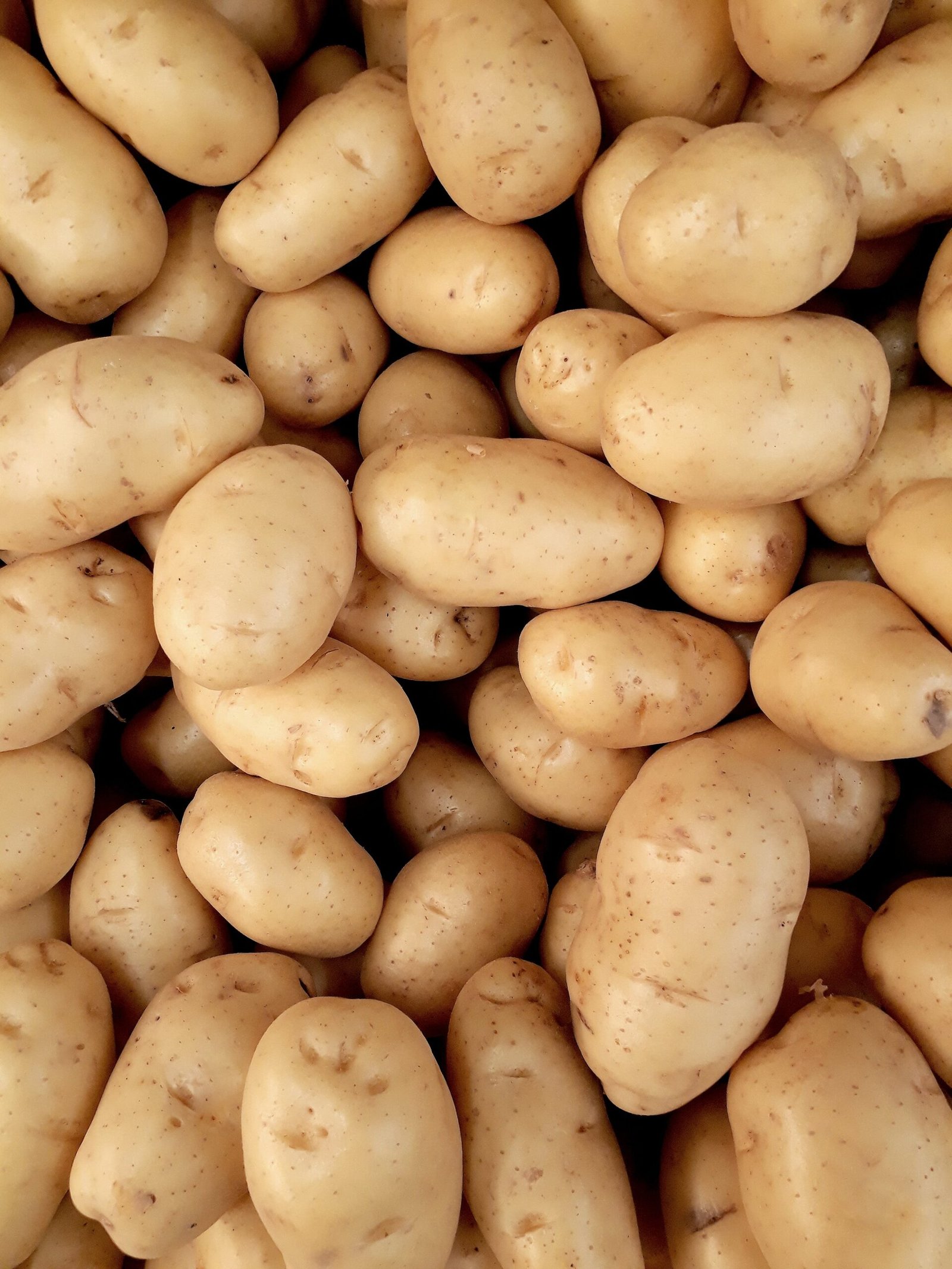
  • USDA Scientists Working to Ensure Nutritious and High-Quality Potatoes Throughout the Winter Season and Year-Round

    Categories: Researchs&TrendsPublished On: January 26th, 2024

    Scientists at the Agricultural Research Service of the USDA are utilizing innovative technology to examine the life cycle of potatoes and ensure a consistent supply of high-quality produce. In the United States, approximately 22.5 million tons of potatoes are produced annually, with the fall season being crucial for potato harvesting, constituting 90% of the total production. Potatoes are typically harvested in the fall, stored safely, and processed when needed to meet consumer and market demands. This process is of critical importance to the industry, ensuring that potatoes are stored at their highest nutritional quality to meet consumer and market demands until processing is required.

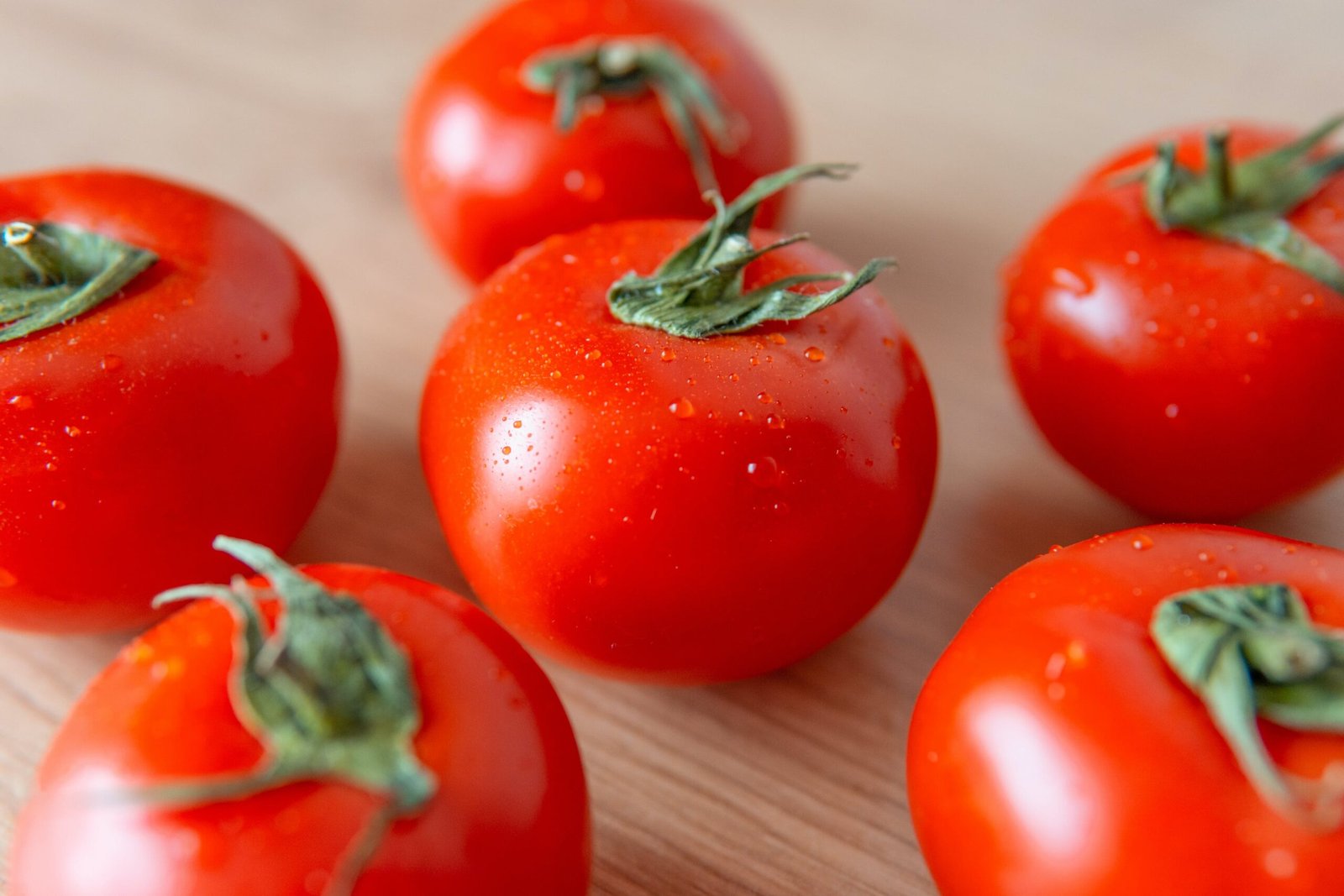
  • Bringing Back Flavor: Tomato Research for the Perfect Balance Between Commercial Durability and Taste

    Categories: Researchs&TrendsPublished On: January 25th, 2024

    Scientists are endeavoring to restore flavor to commercially popular tomatoes that, in the past century, prioritized durability and appearance over taste. The industrialization of the food supply chain has led to the development of sturdier and visually appealing tomato varieties, often overshadowing flavor considerations. Current research is focused on reclaiming the taste of many heritage tomato varieties, emphasizing sugars, acids, and aromatic volatile compounds, while still maintaining commercially viable and visually attractive tomato characteristics.

  • The Impact of High-Fat Diets on Genes: A Comprehensive Study Reveals Surprising Health Outcomes

    Categories: Researchs&TrendsPublished On: January 25th, 2024

    A detailed study from AUC Riverside demonstrates that high-fat diets are not only linked to genes associated with obesity and colon cancer but also connected to the immune system, brain functions, and potential risks of COVID-19. Researchers, conducting genetic analyses through the application of three different high-fat diets on mice, identified concerning changes in factors such as fat metabolism, intestinal bacterial composition, and susceptibility to infections. Particularly noteworthy is the study’s emphasis on the long-term consequences of high-fat dietary habits, associating commonly consumed soybean oil in the United States with increased expression of ACE2 and other proteins used by COVID spike proteins to enter the body.

  • The Impact of Kombucha Bacterial Cellulose on Dough Characteristics

    Categories: Researchs&TrendsPublished On: January 25th, 2024

    In this study conducted at China Henan University, the aim was to investigate how kombucha bacterial cellulose (KBC) influences the properties of dough. Wheat flour was mixed with varying proportions of KBC. The findings revealed that the use of KBC led to an extension of fermentation times and an increase in dough stability. It also resulted in a significant reduction in dough weakening, an increase in relaxation time, and a substantial decrease in peak viscosity, trough viscosity, and final viscosity.

    In contrast to other dietary fibers, incorporating a small amount of KBC into flour and dough not only preserves their qualities but also enhances various other characteristics. When added in low quantities, such as 1% and 3%, KBC improved various dough properties, including increasing gluten strength, stabilizing and enhancing gluten structure.


  • Enriched Fruits Achievable Through Metabolic Engineering in Plants

    Categories: Researchs&TrendsPublished On: January 16th, 2024

    A study published in Horticulture Research aimed to enhance the nutraceutical properties of tomato-based products by harnessing the natural carotenoid accumulation in tomato fruits to produce unique apocarotenoids of saffron. Successfully utilizing tomatoes as a biotechnological platform to produce saffron apocarotenoids, the study resulted in fruits with increased nutritional and therapeutic properties. The findings indicate that metabolic engineering in plants opens avenues for economically and sustainably producing valuable compounds.

  • New Method for Determining Pepper Ripeness: Hyperspectral Imaging and Machine Learning

    Categories: Researchs&TrendsPublished On: January 15th, 2024

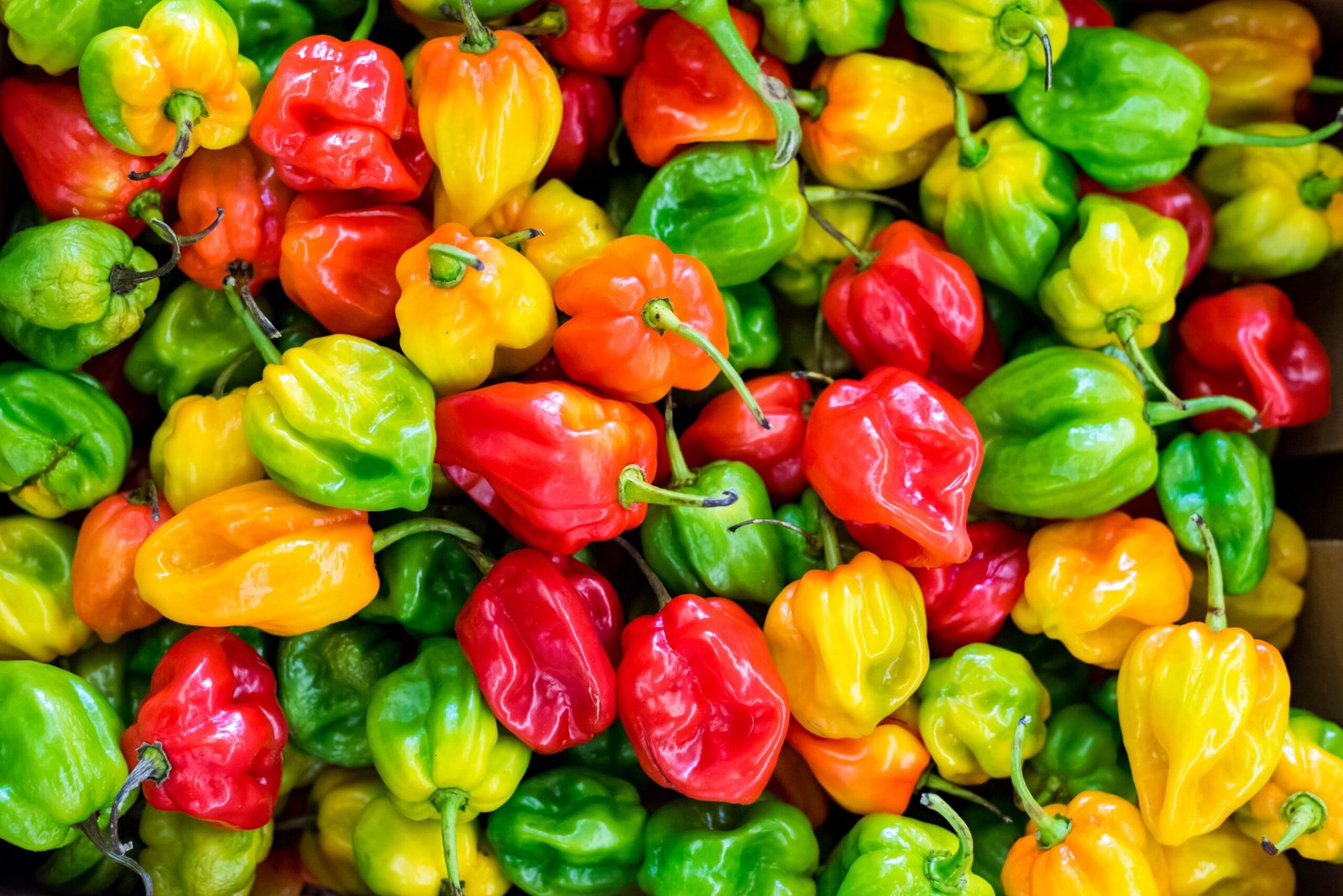
    A research team from the University of Granada has developed a method using hyperspectral imaging and machine learning to determine the ripeness of peppers. The study, conducted with bell peppers, focuses on assessing their hardness to determine their ripeness and, consequently, their acceptability in the market. The novel method successfully works by analyzing the spectral reflections of peppers using hyperspectral images. This system has the potential to enhance the evaluation of the shelf life of peppers, thereby improving product quality and aiding producers in reducing product waste.