Research&Trends
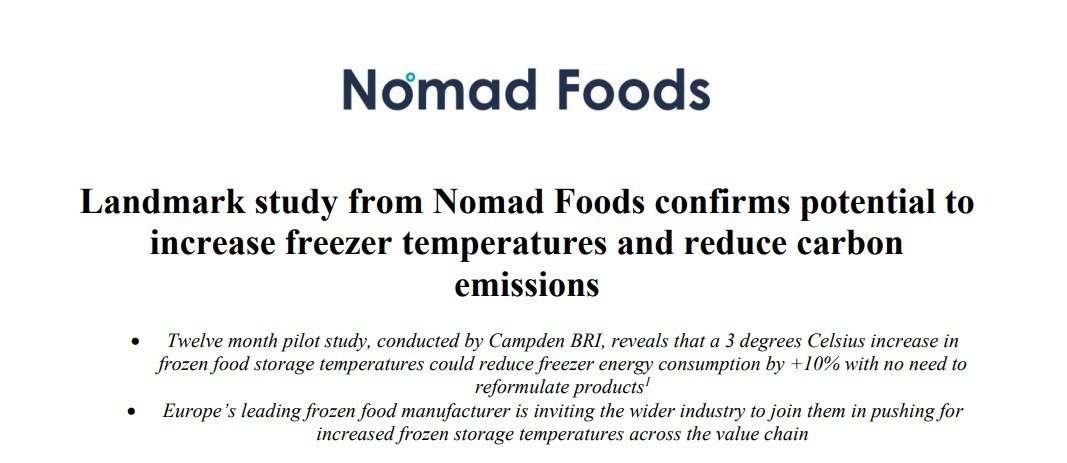
Increasing Storage Temperature Could Improve the Sustainability of Frozen Foods
A newly published study this week suggests that raising the storage temperature of frozen foods could help reduce carbon emissions without posing any safety risks or requiring product reformulation.
Conducted over 12 months by Campden BRI and Nomad Foods, the study found that storing frozen foods at -15°C instead of the industry standard of -18°C could reduce freezer energy consumption by 10-11% without significantly affecting product safety, texture, taste, or nutritional value.

Can the Scent of Ladybugs Show Natural Crop Protective Effects?
In an effort to address pesticide issues, researchers at Penn State have embarked on a quest for a solution. They sought to harness the benefits of ladybugs by turning to an unconventional practitioner to protect crops. Led by Sara Hermann from the College of Agricultural Sciences at Penn State, the team has developed a new pest management tool by leveraging the chemical ecology of predator-prey interactions between ladybugs and aphids. Various studies have examined the behaviors developed by aphids that detect the scent of ladybugs in order to avoid becoming prey. In her recent paper, Hermann found that the presence of ladybug scents also reduces the feeding duration of aphids and decreases their population numbers by 25%.

Catalyst Developed for Recycling Polystyrene Packaging
Polystyrene is used in the production of many food packaging materials, and a major drawback of polystyrene is its poor biodegradability, which leads to environmental pollution. Polystyrene can be recycled when it is clean and not mixed with other materials, but it cannot be recycled when it is contaminated or mixed with other materials. In the journal Angewandte Chemie, a German research team has introduced an oxidizing biohybrid catalyst to facilitate the subsequent degradation of polystyrene microparticles. This catalyst is based on compounds known as anchor peptides, which are short peptide chains that can bind to surfaces, combined with a cobalt complex.
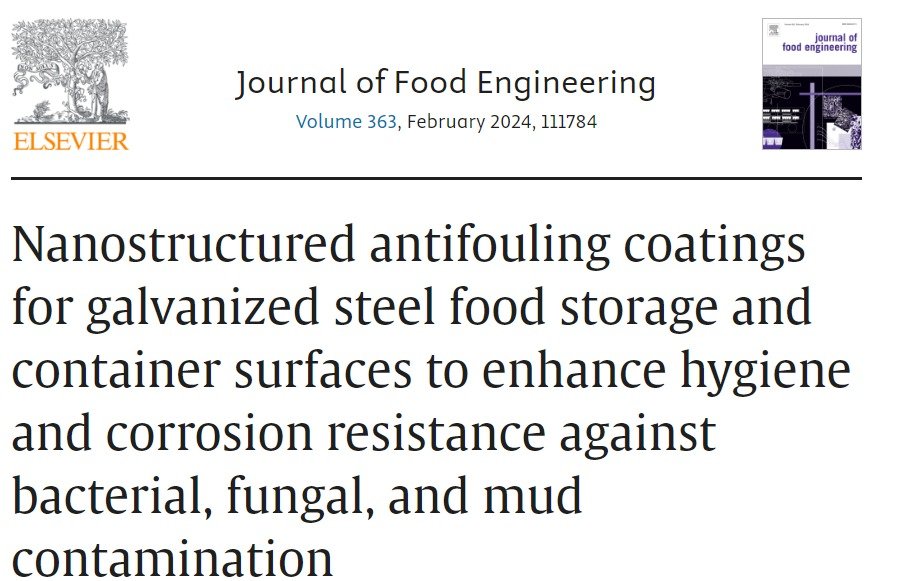
Innovative Metal Coating Solution for Food Packaging
Researchers at Texas A&M University have developed a new metal coating solution for food packaging aimed at enhancing product safety. The researchers note that packaging made from galvanized steel is not hygienic and poses a risk of corrosion. The new coating method promises to reduce corrosion by up to 70% while also expected to prevent bacterial and dirt adhesion due to its superhydrophobicity and anti-soiling capabilities.

Algae Cooking Club Introduces First-of-its-Kind Algae-Based Cooking Oil with High Smoke Point and Omega-9 Fatty Acids
The Algae Cooking Club has introduced its first product, a chef-grade cooking oil derived from algae. This new oil boasts a high smoke point (535°F) and a high density of Omega-9 fatty acids (93%). Released at a time when the food industry is seeking more sustainable and low CO2 emission production methods, the Algae Cooking Club’s product offers a promising solution.