Research&Trends
Are There Differences Between Laboratory and Commercial Protein Isolates?
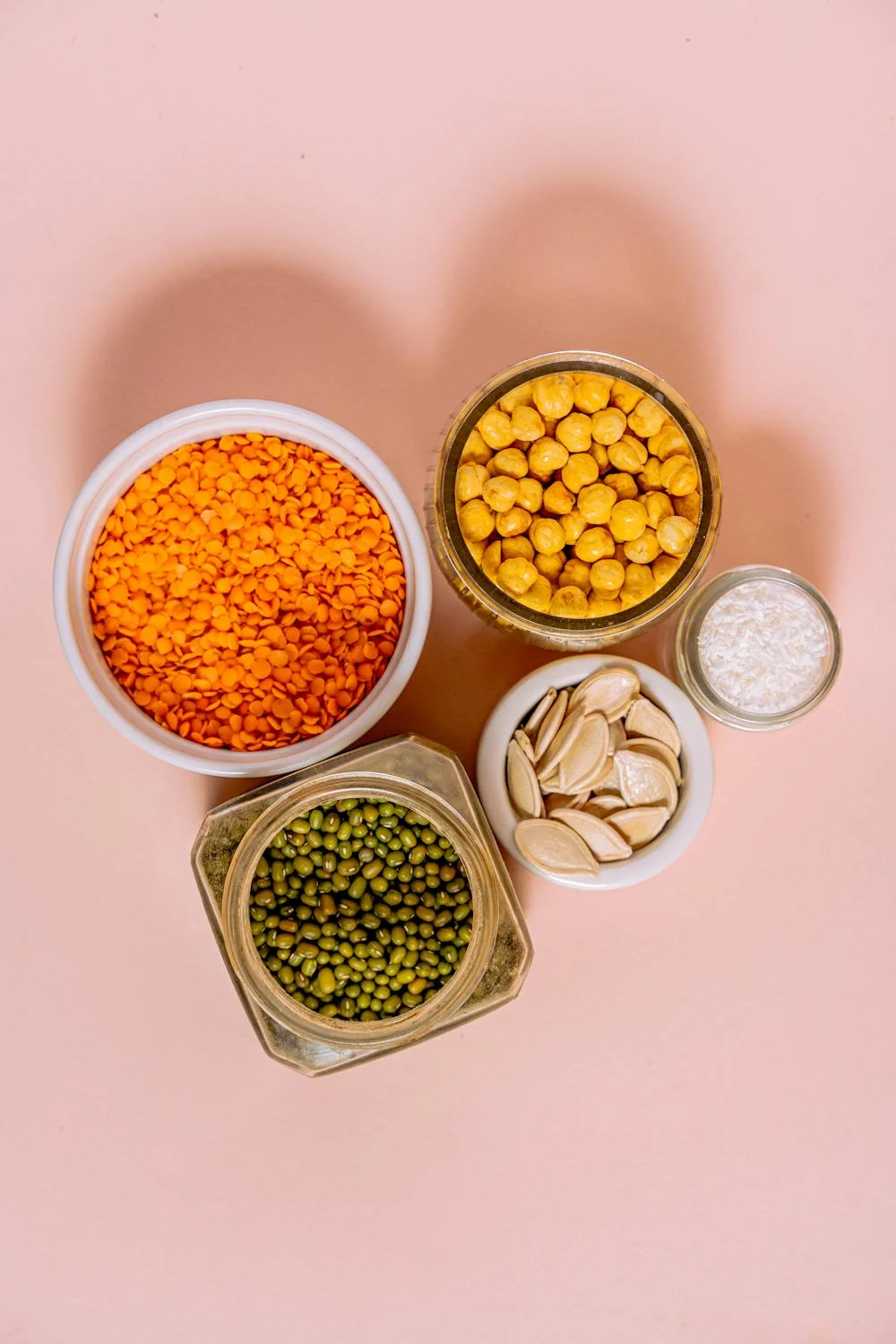
The effect of the methods of obtaining mung bean and chickpea protein isolates on the properties of the proteins was examined. Laboratory isolates have been observed to have less protein denaturation and higher solubility than commercial isolates. In addition, it has been found that commercial isolates of the same product obtained by different methods may vary in terms of functional properties such as viscosity and thermal properties.
It is stated that data on other standard methods are needed to determine the effect of other functional properties such as foaming and emulsification in the study. Thus, the aim of the studies is to correlate and standardize the methods of obtaining protein isolates with the functional properties of proteins.
Effect of Consuming Bread and Cake with Jam on aroma
It has been observed that consuming strawberry jam with bread or cake leads to an increase in aroma release and a decrease in the perception of citrus aroma. It is thought that jams consumed with these foods require more chewing than jams consumed alone, resulting in more aroma release and faster perception of the aroma as a result of the increased surface area.
Although both foods increased aroma release in vivo, bread was found to cause a greater increase in flavor intensity and flavor release time than cake. It has been found that consuming sauces such as jam with solid foods causes a decrease in the flavor intensity of the sauces. Thus, in new product development studies, the sensory importance of examining the entire product, considering the effect of sauces such as jam on aroma perception, is emphasized.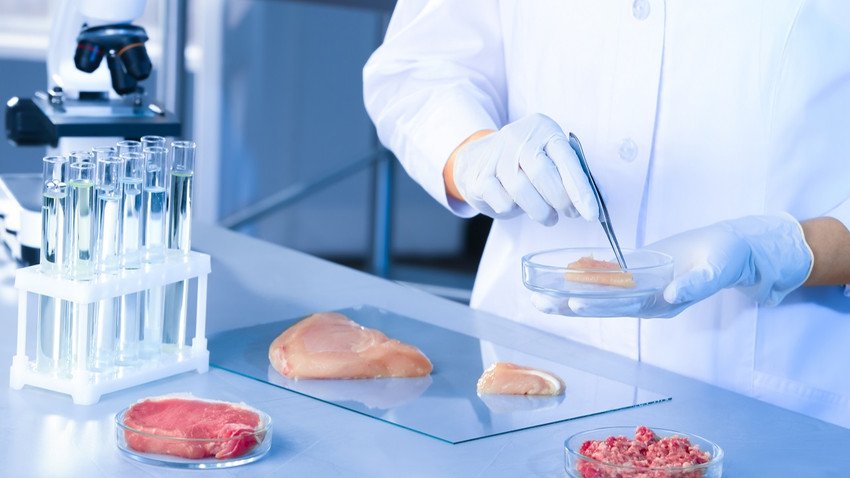
Cultured Meat Journey
Cultured meat has the potential to be an environmentally friendly solution that prioritizes animal welfare by offering meat alternatives produced from animal cells. However, the development of this innovative technology requires deep understanding and accurate manipulation in the field of cell biology. Although significant scientific and commercial advances have been made in recent years, many challenges facing cultured meat still remain to be overcome. Problems such as selection of appropriate cell types and determination of optimal proliferation and differentiation conditions are among the obstacles to this innovative food approach. However, with the coordination of scientific efforts and cost-effective solutions, it is becoming a promising reality that cultured meat can revolutionize the food industry.

Sustainability and Taste Meet: The Journey of Cell Cultured Meat
Shining as an alternative that can replace traditional meat, cell cultured meat (CCE), a meat alternative produced in a laboratory environment from animal cells, attracts attention with its promise of sustainability and the transformation of the meat industry. However, it has been a matter of curiosity how much consumers will accept this innovative product and how similar it is to traditional meat in taste. A comprehensive review reveals that the sensory properties of HKE are still unclear and there is uncertainty about how much consumers will assimilate this innovative product. While current studies focus on the taste and texture of HKE, it is still unknown whether it will be exactly the same as real meat. This indicates that more research is needed to understand the true potential of HKE, and it is thought that it could play an important role in transforming future meat consumption.
Drone Research in Agriculture and Food Industry
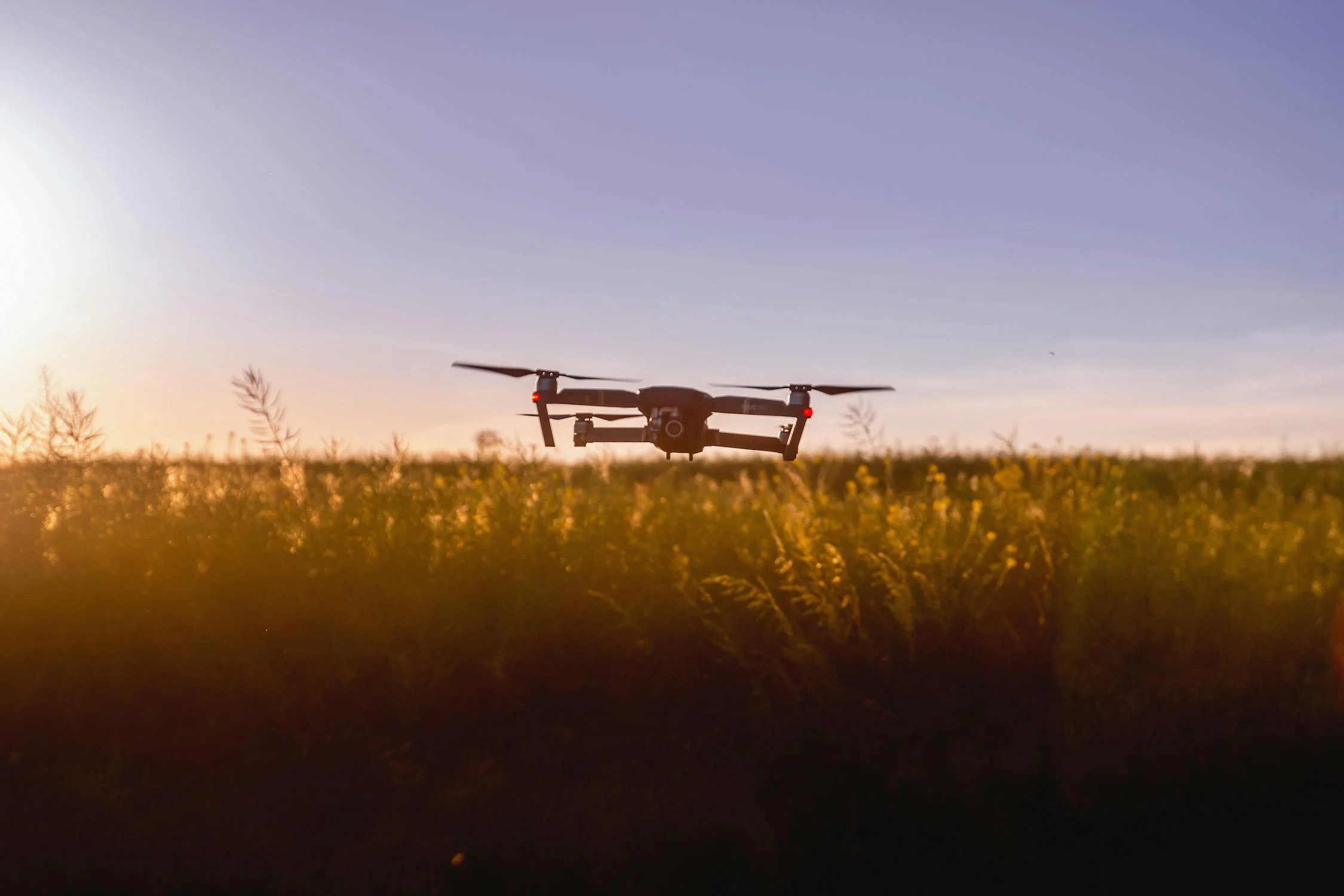
Innovations in the agriculture and food industry are now rising in the air! Recent research is revealing the perfect potential of using drones in logistics and supply chain management in this sector. Examining 96 journal articles collected from Scopus and Web of Science, the study clearly reveals the key role of drones in the agri-food industry. The research shows that drones provide a significant advantage in optimizing last-mile deliveries in urban logistics as well, particularly in humanitarian logistics and supply chain management. However, it is also emphasized that more research is needed in areas such as security and consumer behavior. This rise of drone technology in the agri-food industry offers important clues on how transportation and supply chain processes can be transformed and optimized.
Artificial Intelligence Research in Agri-Food Supply Chain
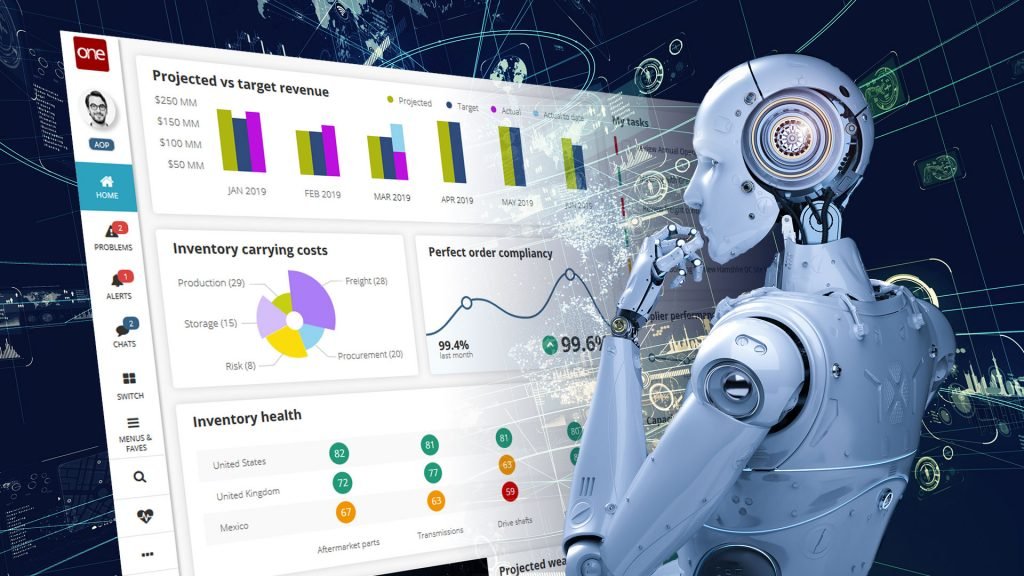
The impact of artificial intelligence (AI) has examined in the agri-food supply chain. Studies have revealed that the use of AI technologies has great potential to reduce waste and minimize costs in the supply chain. However, there are also some challenges to this positive development, such as artificial intelligence adoption barriers. The study highlights the opportunities brought by artificial intelligence in the agriculture-food sector and the obstacles that may arise against these opportunities, and offers clues on how to fully utilize the potential in this field.
Mobile Desks Providing Robotic Service
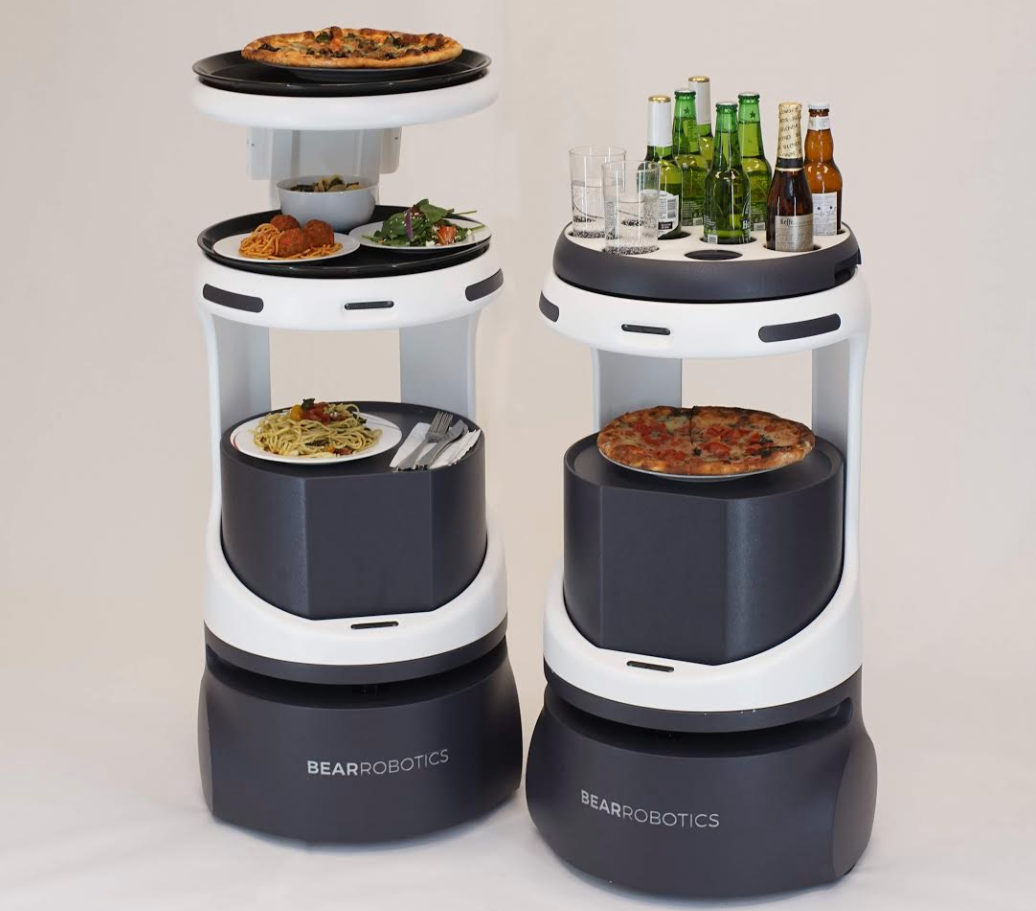
California-based food robotics startup Bear Robotics was founded in 2017 by John Ha, a Google software engineer-turned-a restaurateur. John Ha’s personal experience of the difficulties of running a restaurant inspired him to develop service robots. Cautious about full automation, the startup produces artificial intelligence-supported service robots that carry orders from point A to point B, resembling mobile tables rather than robot waiters for restaurants and other places. Bear Robotics recently announced that it has successfully completed a $60 million Series C financing round led by LG Electronics. LG Electronics may no longer be a name known for smartphones, but its investment shows that it sees a big future in devices like robots.

A special food safety regulation is needed for donated food in Australia
According to a study published in the Food Policy journal, researchers found that there is a need for a special food safety regulation for donated food in Australia. Criteria based on food safety standards were developed and applied to 1,217 donated food products. Each product has been examined and evaluated as safe, unsuitable, potentially unsafe or unsafe for human consumption.Approximately 96% of the donated approximately 85,000 kilograms of food were categorized as suitable, while 4% were classified as unsuitable for consumption, potentially unsafe, or unsafe. Scientists stated that not all risks such as microbial contamination can be detected by visual evaluations and that the rate of dangerous foods may be higher.