Last News
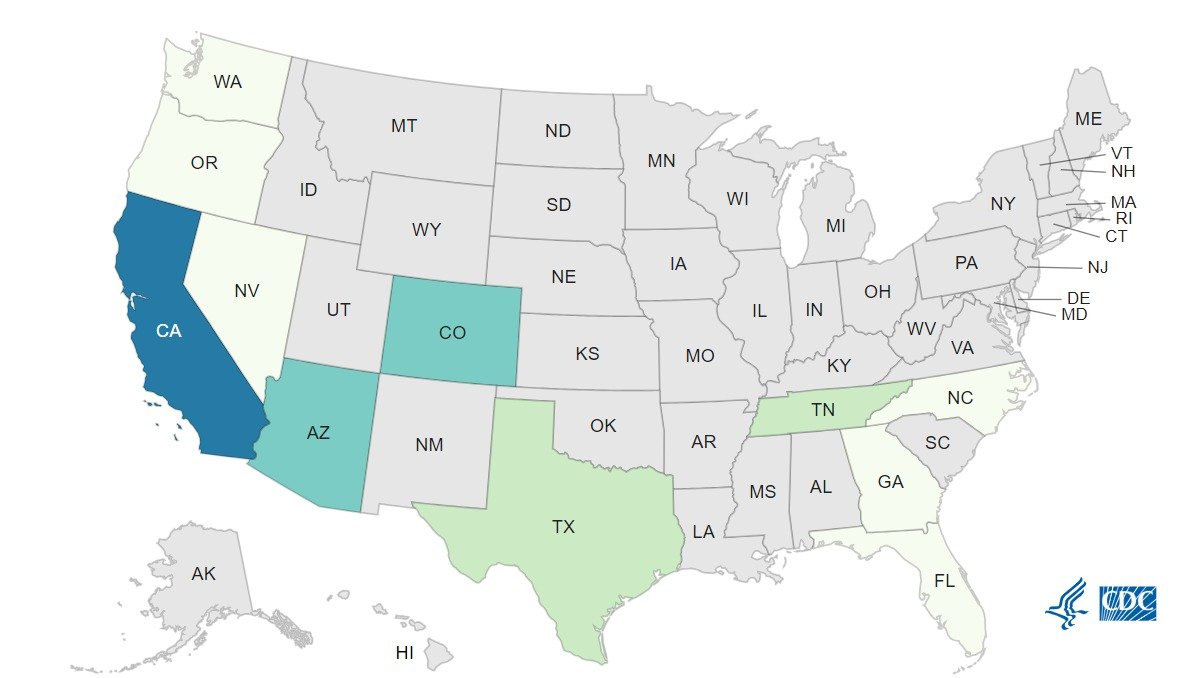
Listeria Outbreak: 26 Infected Across 11 States in the US, with 2 Fatalities
As of February 6, 2024, a total of 26 individuals have been reported infected with Listeria outbreak across 11 states in America: Arizona 4, California 8, Colorado 4, Florida 1, Georgia 1, Nevada 1, North Carolina 1, Oregon 1, Tennessee 2, Texas 2, Washington 1. Two fatalities have been reported, one from California and one from Texas.

The establishment of a new platform for the collection of data on the sales and usage of antimicrobials in animals is crucial in combating antimicrobial resistance.
Monitoring the sales and usage of antimicrobials in animals has always been of critical importance in the fight against antimicrobial resistance. The European Surveillance of Veterinary Antimicrobial Consumption (ESVAC) project, conducted between 2009 and 2023 as a voluntary initiative by the European Medicines Agency and European countries, aimed to monitor veterinary antimicrobial sales across Europe. The Antimicrobial Sales and Usage Platform requires all Member States to present data on the sales of veterinary antimicrobials and the usage of antimicrobials in animals in a standardized format, improving the collection of data and its integration into a robust system.
EFSA has published guidelines for the reporting of zoonotic diseases, foodborne outbreaks, and antimicrobial resistance concerning the data from 2023.
EFSA is providing guidance to reporting countries on how to present isolate-based quantitative antimicrobial resistance data. It has compiled data on the prevalence of zoonoses, microbiological agents, and contaminants in food, as well as information on foodborne outbreaks, animal populations, and disease status. Additionally, EFSA has developed the Data Collection Framework (DCF) application for collecting this data.

EFSA has initiated a new research project on Novel Proteins.
EFSA routinely assesses the safety of new proteins in the areas of GMOs and novel foods. To address potential gaps and support future risk assessments, EFSA recently announced the launch of a project to map protein-rich food and feed product types and related processing technologies. The aim is to assess whether processing affects the proteins present in the raw material and how it does so.

EFSA has released OpenFoodTox 2.0 to update and further enhance chemical hazard assessment.
OpenFoodTox is developed to map hazard data published in EFSA documents on food and feed risk assessment. The current document provides a summary of activities carried out during the framework contract OC/EFSA/SCER/2018/01 for the maintenance, update, and further development of the OpenFoodTox database (“OpenFodTox 2.0”).