Last News

FAO Launches “FAODATA Explorer” Platform
FAO has launched the “FAODATA Explorer” platform to access, filter, download, and share FAO statistics. The platform is currently in beta development and will gradually be populated with FAO statistics. It currently contains Sustainable Development Goal data for 21 indicators under FAO’s supervision.
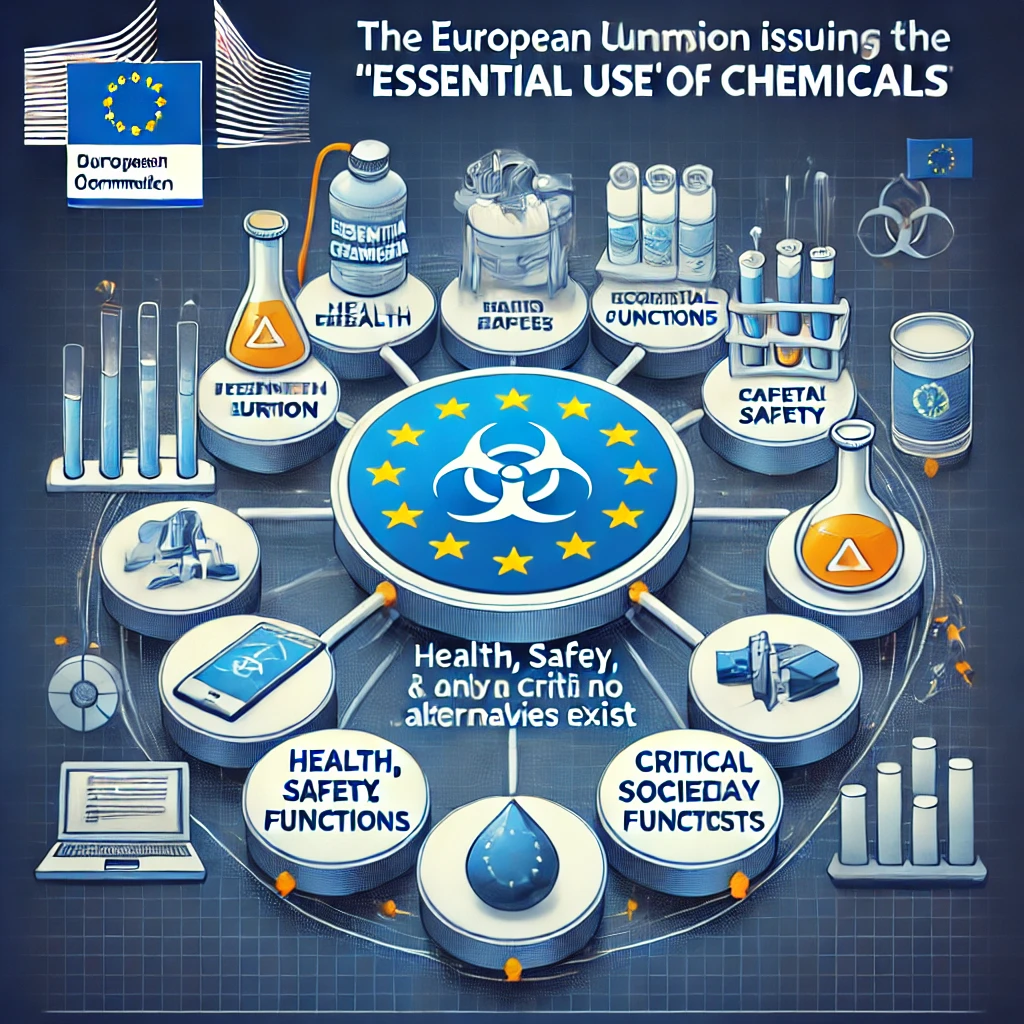
EU Issues Guiding Criteria for ‘Essential Use’ of Hazardous Chemicals
The European Union (EU) has issued guiding criteria for the ‘essential use’ of hazardous chemicals. Adopted by the European Commission, these criteria emphasize that the use of harmful chemicals is justified only when necessary for health, safety, or critical societal functions where no alternatives exist.
FDA Bans the Use of BVO in Foods
The FDA has announced the revocation of the regulation permitting the use of brominated vegetable oil (BVO) in foods. Based on the results of studies conducted in collaboration with the National Institutes of Health (NIH), the FDA has determined that BVO is not considered safe for use in foods. The new rule will take effect on August 2nd.
EEB Calls for Ban on Unnecessary Uses of PVC
The European Environmental Bureau (EEB) has called for a ban on all unnecessary applications of PVC, including packaging, supporting the report on this issue. The statement released reads, “Due to the problematic nature of PVC’s entire life cycle and its risks to human health and the environment, we are calling for comprehensive restrictions on the production, use, and marketing of PVC.”
Food Fraud: Most Vulnerable Ingredients and Protection Methods
According to the FDA’s assessment, food fraud costs companies $10 to $15 billion annually, and some sources estimate it as high as $40 billion. Enhancing food safety begins with knowing which ingredients are most vulnerable to economic adulteration and, more importantly, understanding how to protect your operation from fraud. So, what are the most adulteration-prone food items, and how can we tackle this issue?

EFSA Publishes Risk Assessment of Minor Organoarsenic Species in Food
EFSA has published the Risk Assessment of Minor Organoarsenic Species in Food. Organoarsenic compounds are organic compounds containing arsenic and can be found in foods. Although these compounds are generally considered less toxic, some species can be hazardous to human health.
USDA Confirms Avian Influenza in South Dakota Dairy Herd, Spreading to Eight States; Emphasizes Pasteurization Ensures Safety of Dairy Products
The US Department of Agriculture Detects Avian Influenza in a Dairy Herd in South Dakota, Confirms Spread to Eight States Affecting Livestock; USDA Emphasizes Pasteurization Ensures Safety of Dairy Products as Cases are Monitored.