
Last News

Will the New Codex Alimentarius Guide Contribute to Water Conservation?
The Codex Alimentarius Commission, the joint food standard-setting body of the FAO and WHO, has released a new “Water Guide.” The diminishing water resources and the increasingly costly access to drinkable water have prompted updates to the existing guide. The updated guide includes research conducted by JEMRA (Joint FAO/WHO Expert Meetings on Microbiological Risk Assessment) on various types of water such as reclaimed, recycled, reused, or wastewater, exploring their suitability for ensuring food safety.

Lost Tomato Found in Space
NASA astronauts have finally located a missing one-inch tomato lost in space for eight months. The remnants of a tiny tomato lost by NASA astronaut Frank Rubio following a harvest outside Earth in March emerged more than eight months later aboard the International Space Station (ISS). The surprise came when it was discovered that the tomato lost by Astronaut Frank Rubio and found by other colleagues was not one but two tomatoes. NASA officials, in their update on Thursday, December 14, revealed that the tomatoes were found inside a plastic bag with approximately 17% humidity, dehydrated, and slightly crushed, despite a year passing since their initial disappearance. They noted that apart from some color alteration, there was no visible microbial or fungal growth.
Support from the European Union for Packaging Production from Waste Water
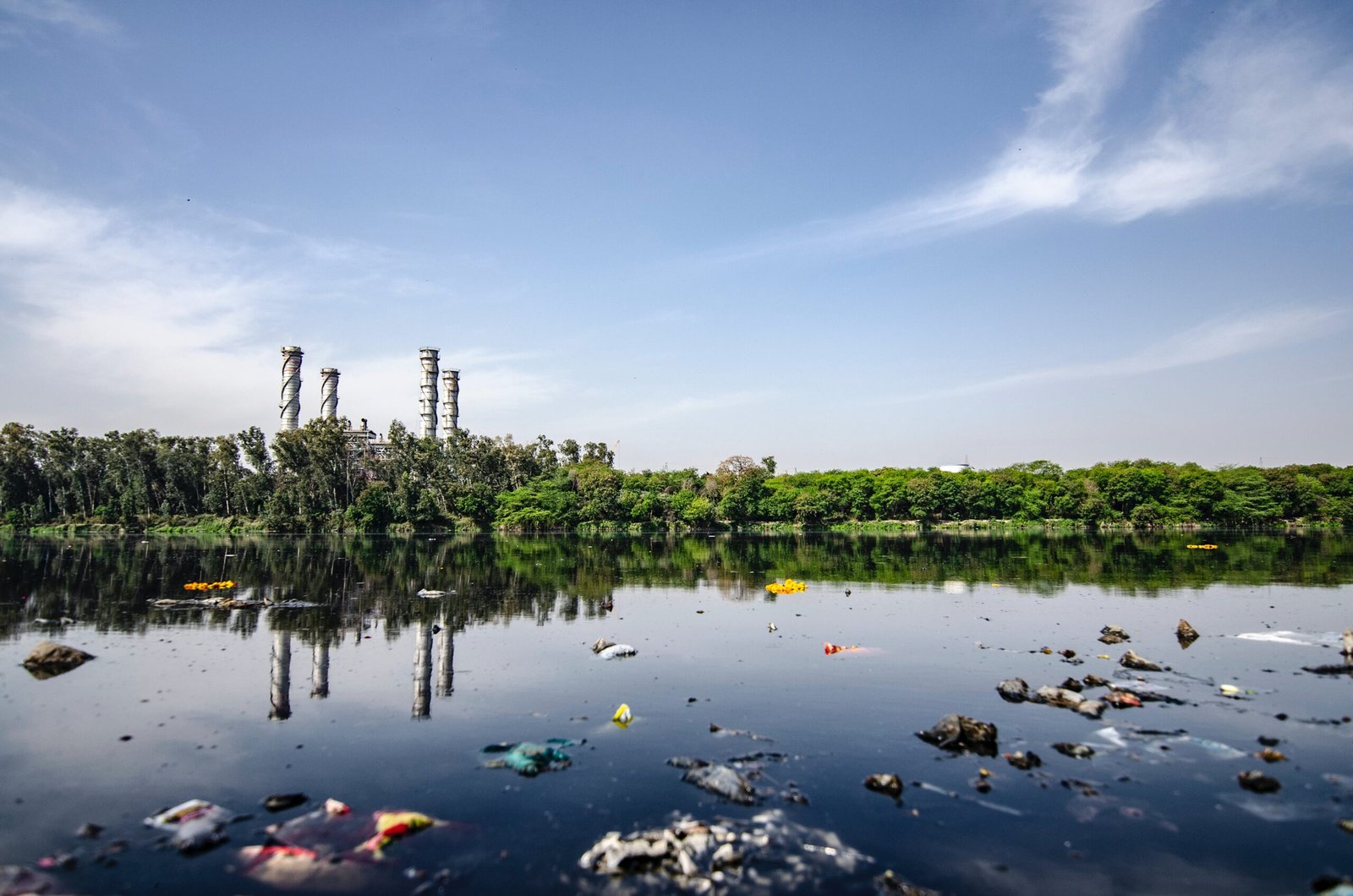
A consortium comprising 12 European partners, including companies, universities, and technology research centers from seven countries such as Spain, France, Germany, Norway, the Netherlands, Finland, and Italy, has initiated a four-year research project. The project aims to convert wastewater into bio-based polymers for packaging applications. They received a grant of 5 million euros/5.44 million dollars from Horizon Europe, the European Union’s research and innovation funding program.

The support provided by governments for “protein transition” continues.
The Budget Committee of the German Federal Parliament announced an allocation of 38 million euros in 2024 for sustainable protein transition. Budget allocations in this field include the Netherlands with 60 million euros, Denmark presenting the world’s first strategy for the plant-based sector with 168 million euros, France dedicating 65 million euros for the research and expansion of the plant-based sector, and the UK allocating a budget of 2 billion pounds for the Engineering Biology National Vision.

Nestlé Introduces Science-Based Growth Milk with HMOs in China
Nestlé has launched a science-based growth milk solution containing human milk oligosaccharides (HMOs) in mainland China under the Wyeth Illuma brand. This product, manufactured at Nestlé’s Suzhou factory, marks the first HMO launch in China approved by the National Health Commission. HMOs are crucial for intestinal and immune health as well as cognitive development in infants, and within the scope of Nestlé’s global leadership, plans are underway to expand the HMO offering in China.
European Parliament Votes on Directive to Transform Packaging and Waste Management
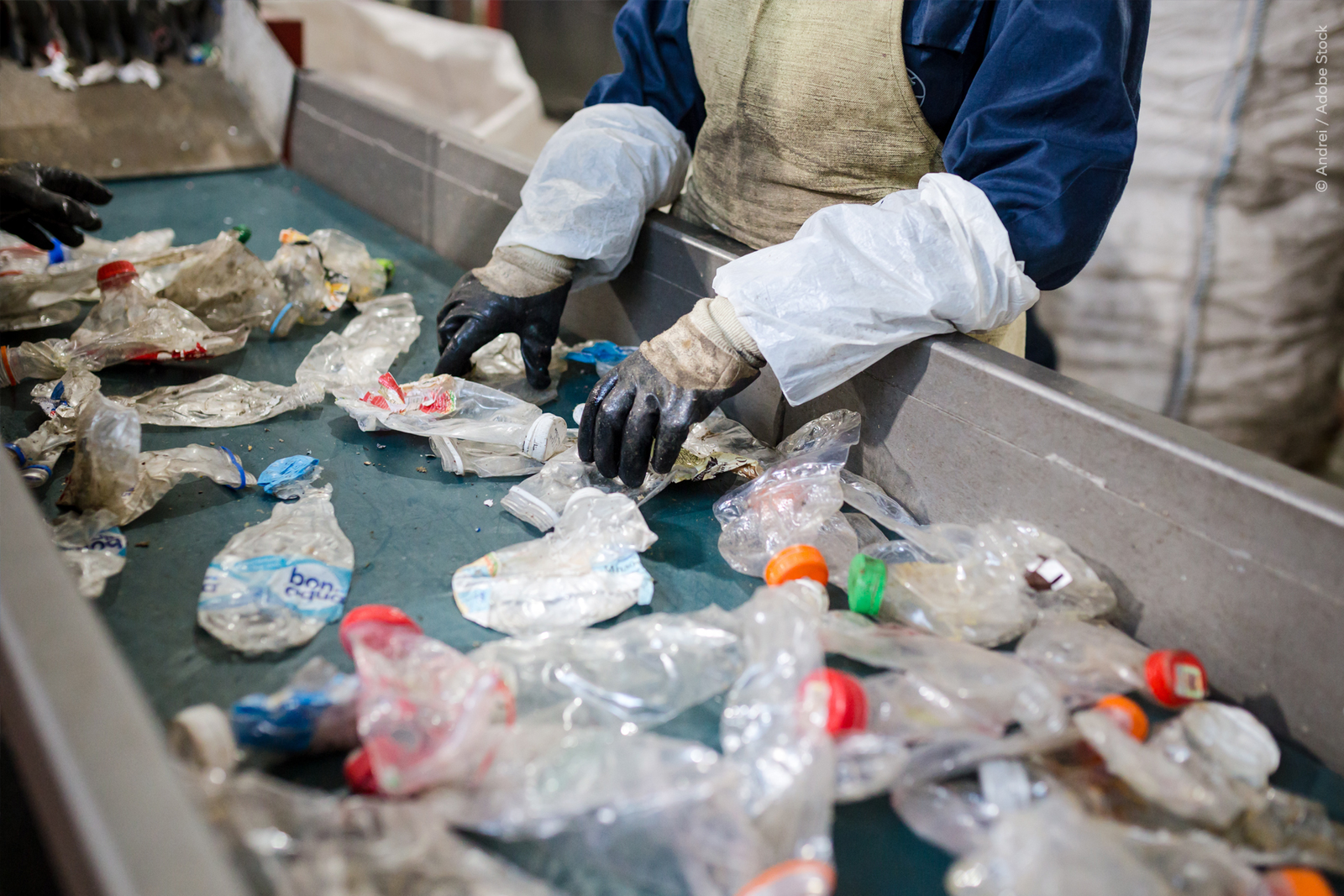
The European Parliament conducted the final voting round on the Packaging and Packaging Waste Directive. This directive aims to have a significant impact on various aspects, including reducing unnecessary packaging and waste, banning PFAS chemicals in food packaging, and increasing reusability and recycling.

U.S. Government Agencies Unveil Draft National Strategy to Combat Food Loss and Promote Organic Recycling
The U.S. Environmental Protection Agency (EPA), the U.S. Department of Agriculture (USDA), and the U.S. Food and Drug Administration (FDA) have released the “Draft National Strategy for Reducing Food Loss and Waste and Recycling Organics.
Closer Collaboration: FAO and WTO Join Forces for Agricultural Trade and Food Security
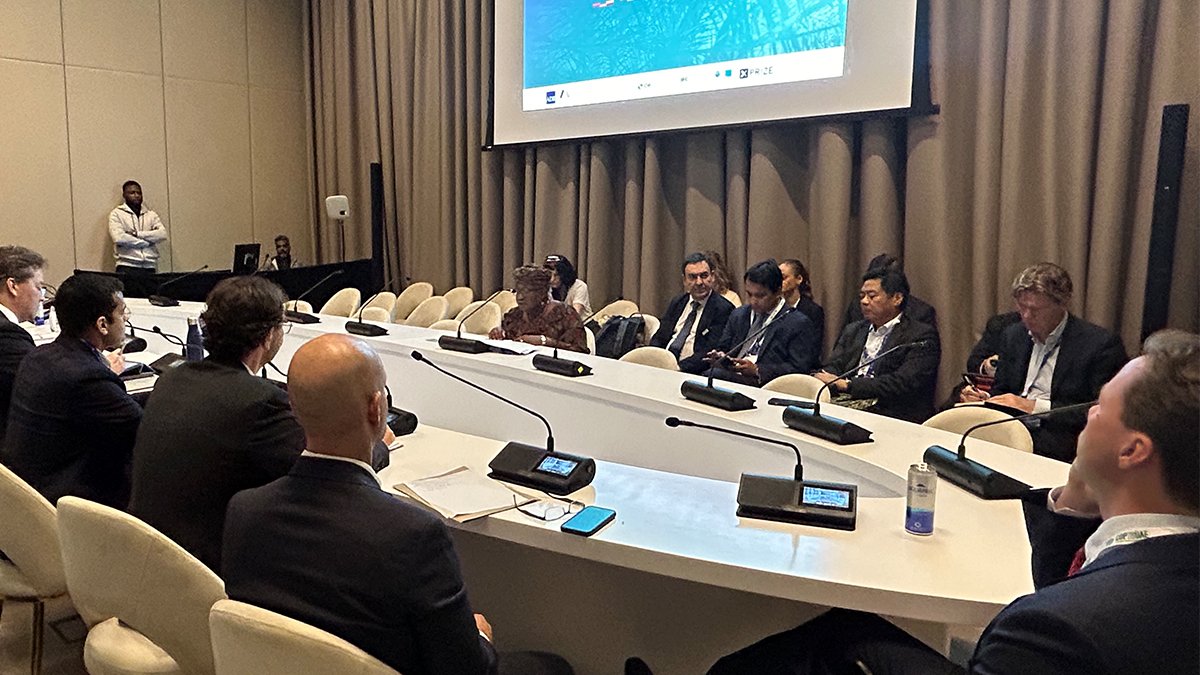
The Food and Agriculture Organization (FAO) and the World Trade Organization (WTO) have signed a Memorandum of Understanding during the COP28 event on Friday, aiming to strengthen collaborations in agricultural food trade and food security matters. This agreement seeks to reinforce existing initiatives such as ‘Hygiene and Plant Health Measures’ and the ‘Standards and Trade Development Facility.